Support me on Patreon for early access previews, rewards and giveaways!
Contact Me
Or use the contact form below.
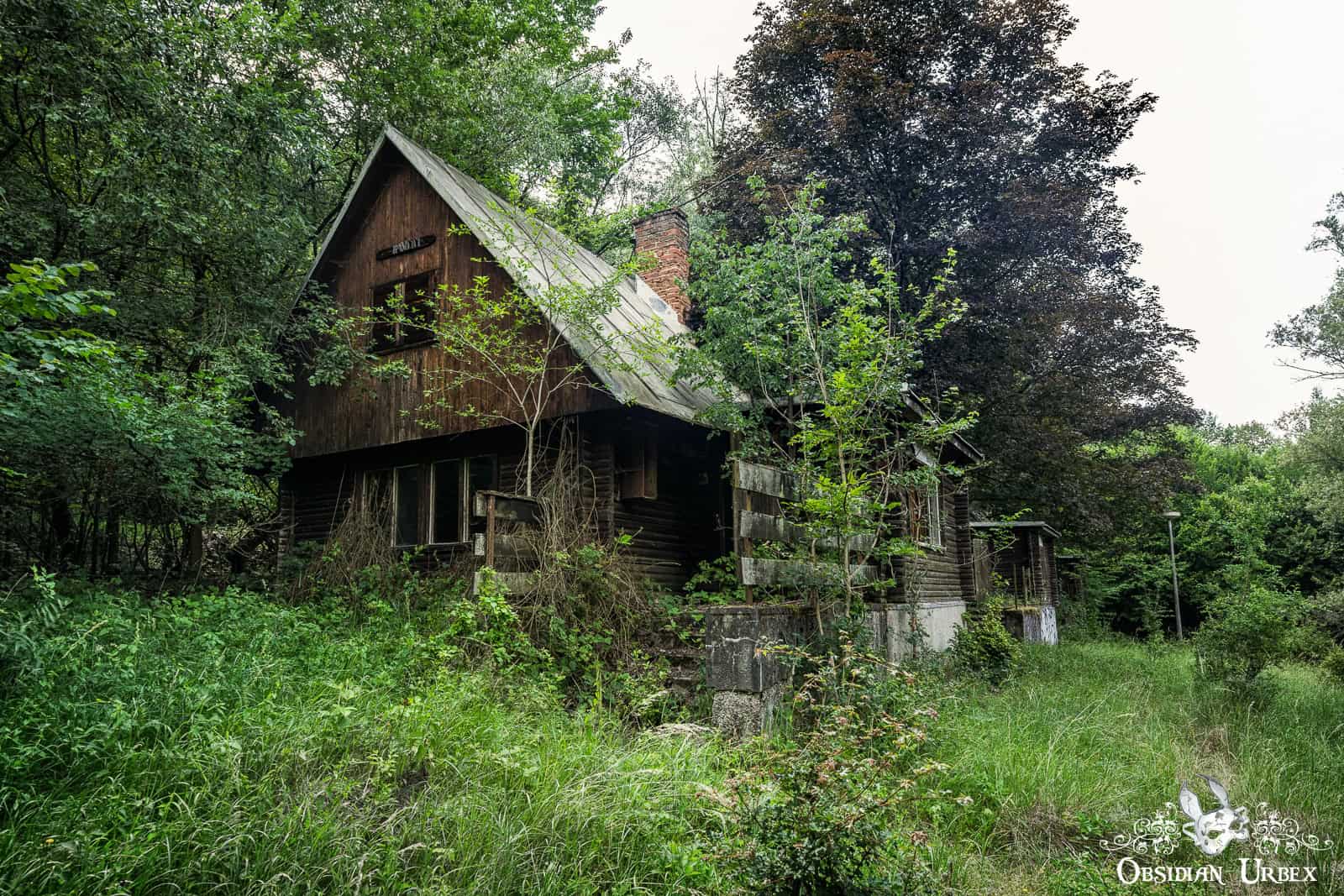
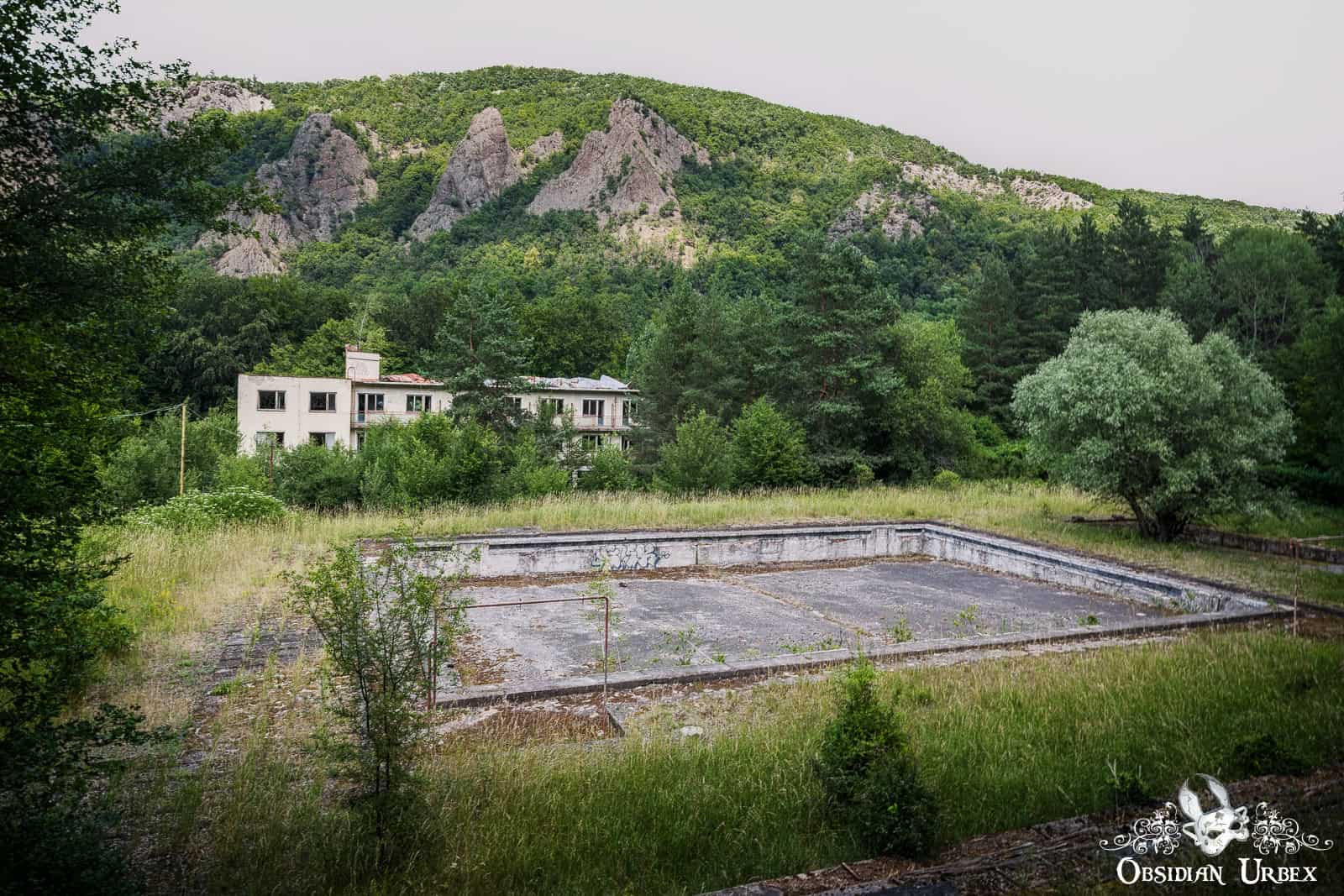
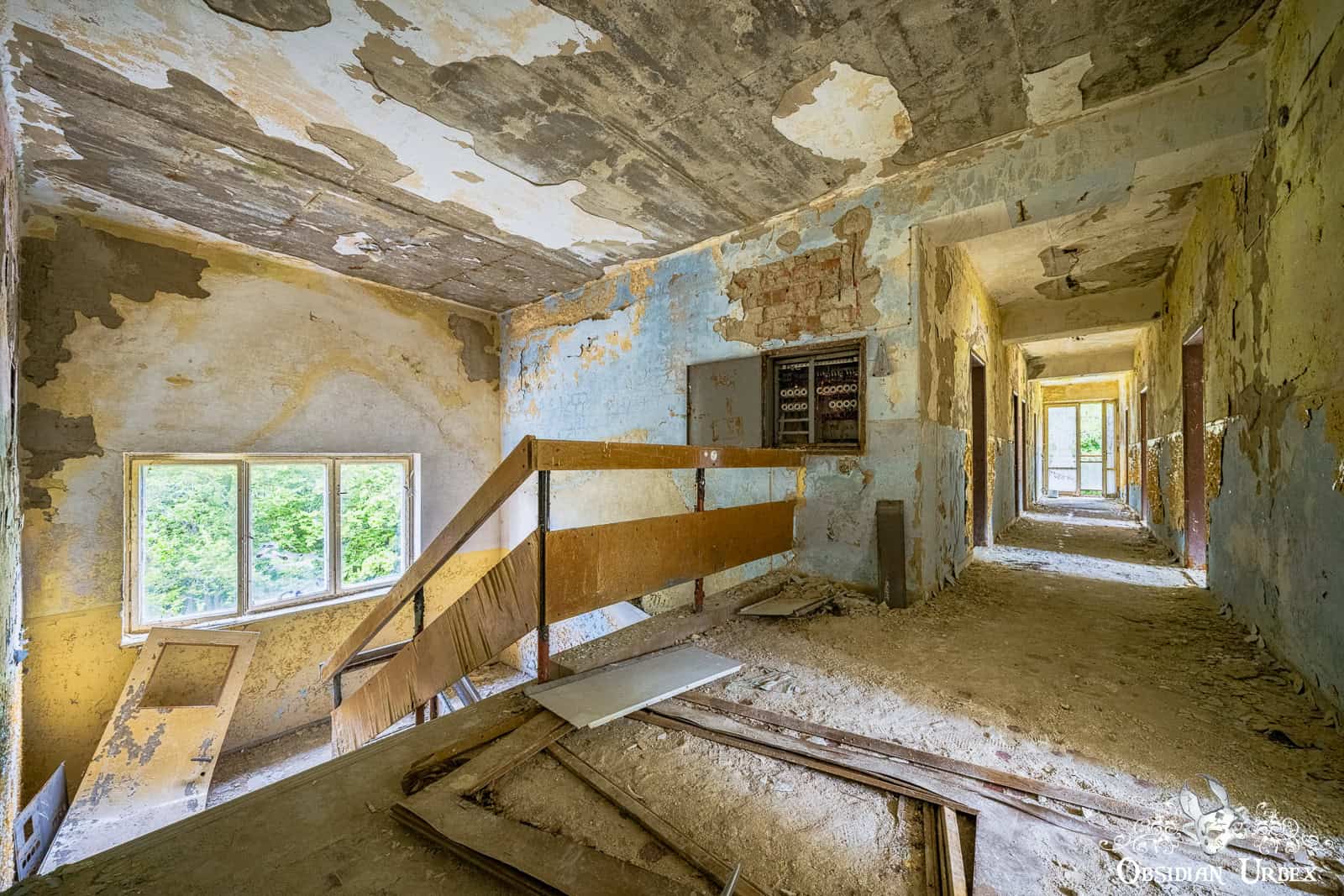
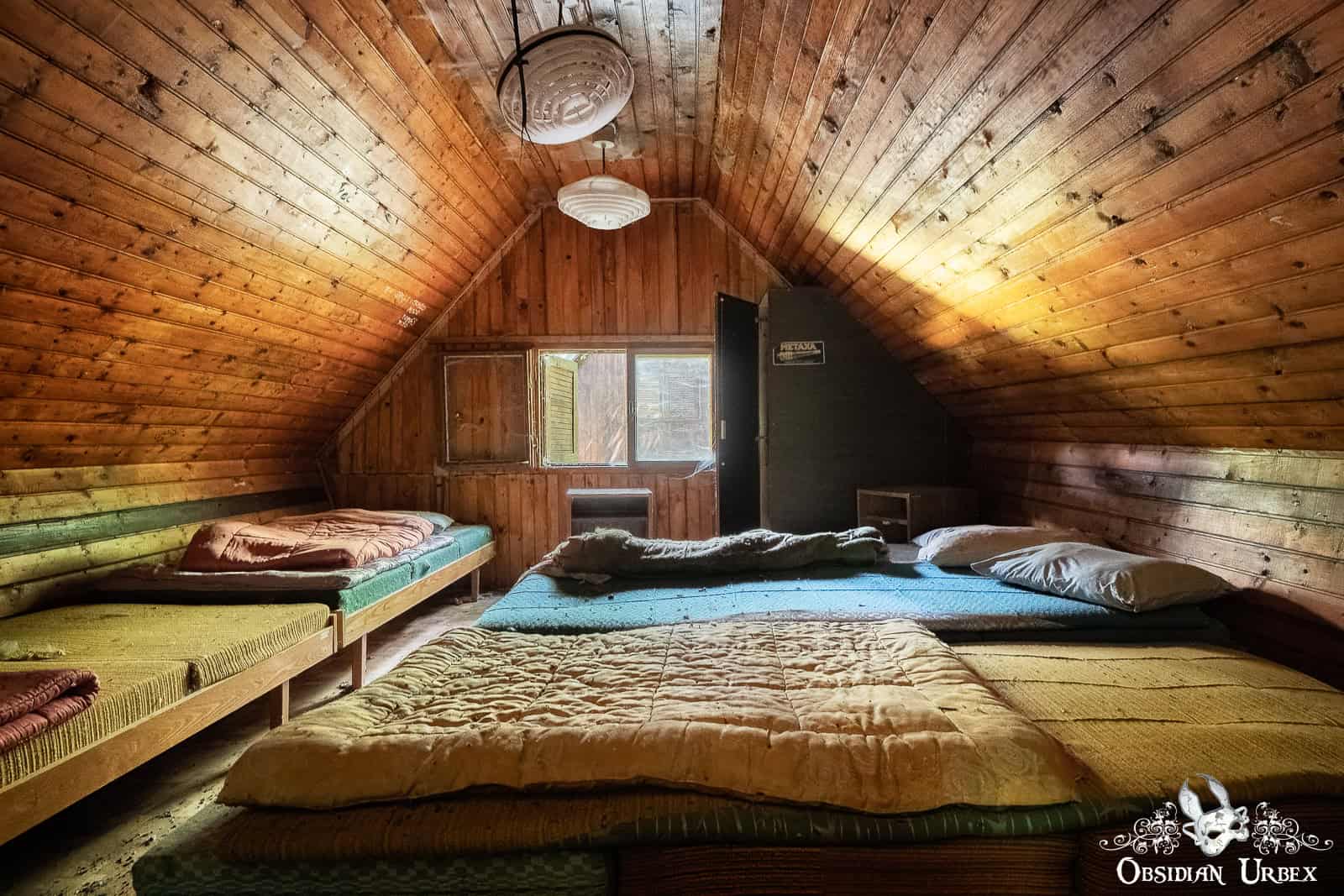
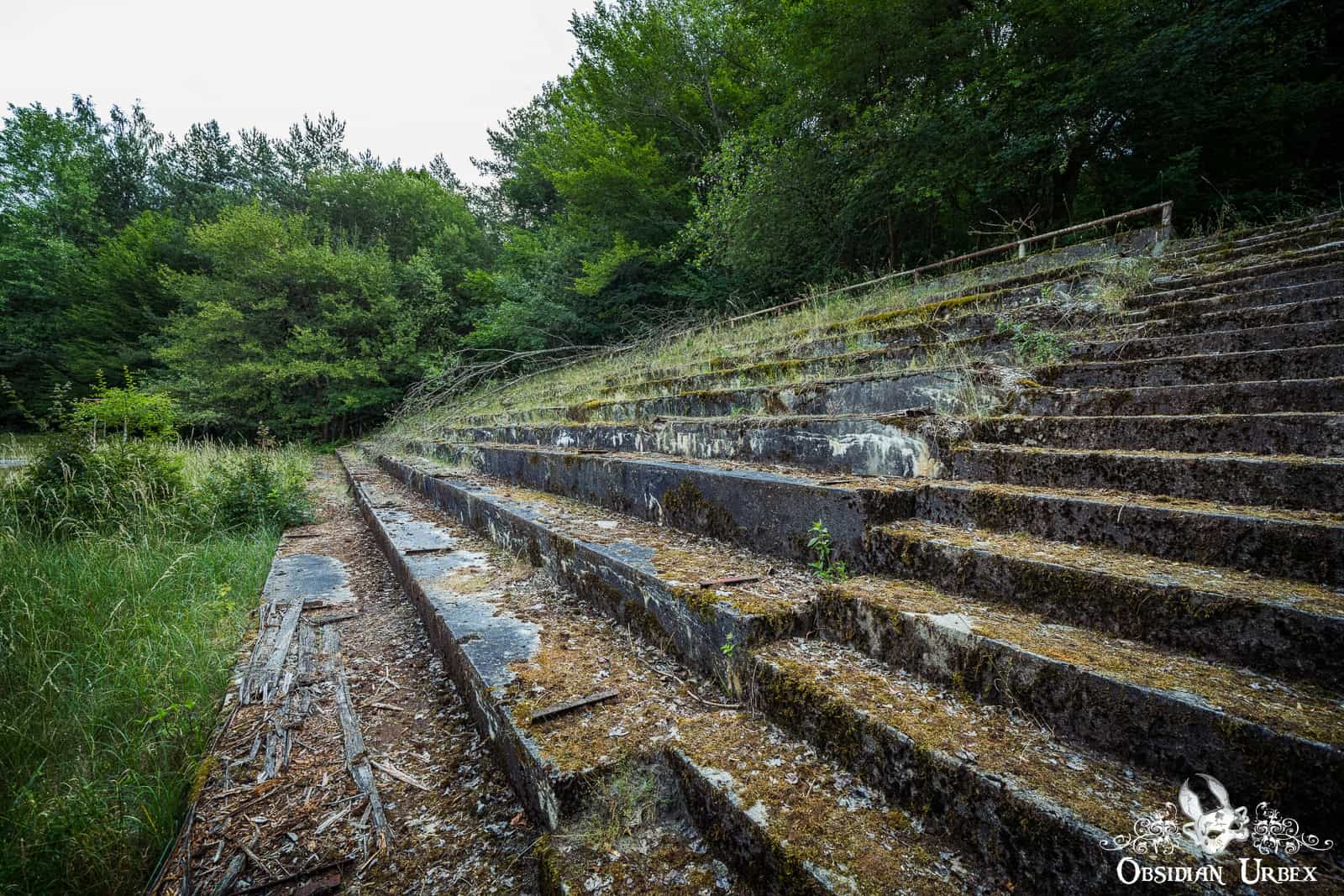
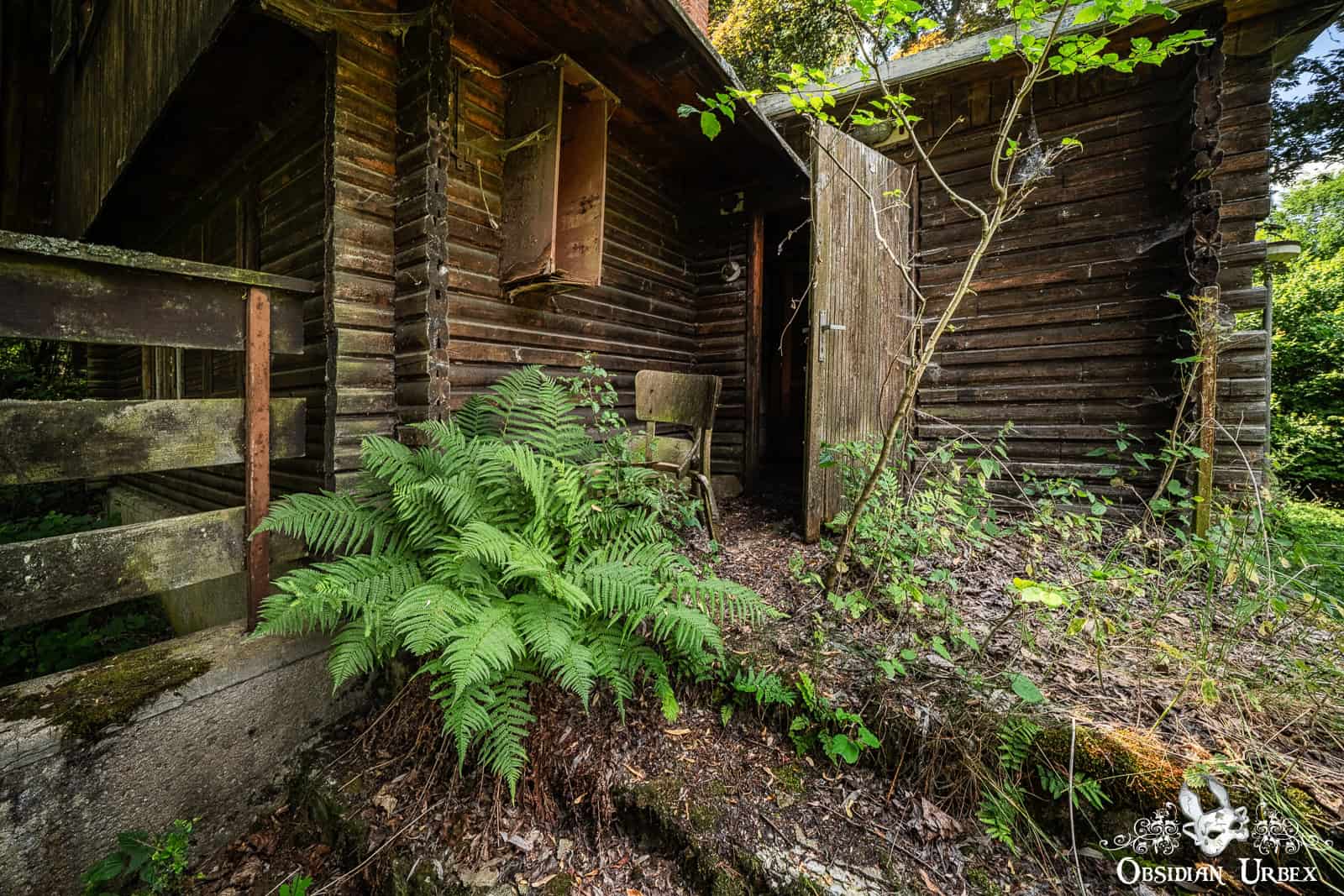
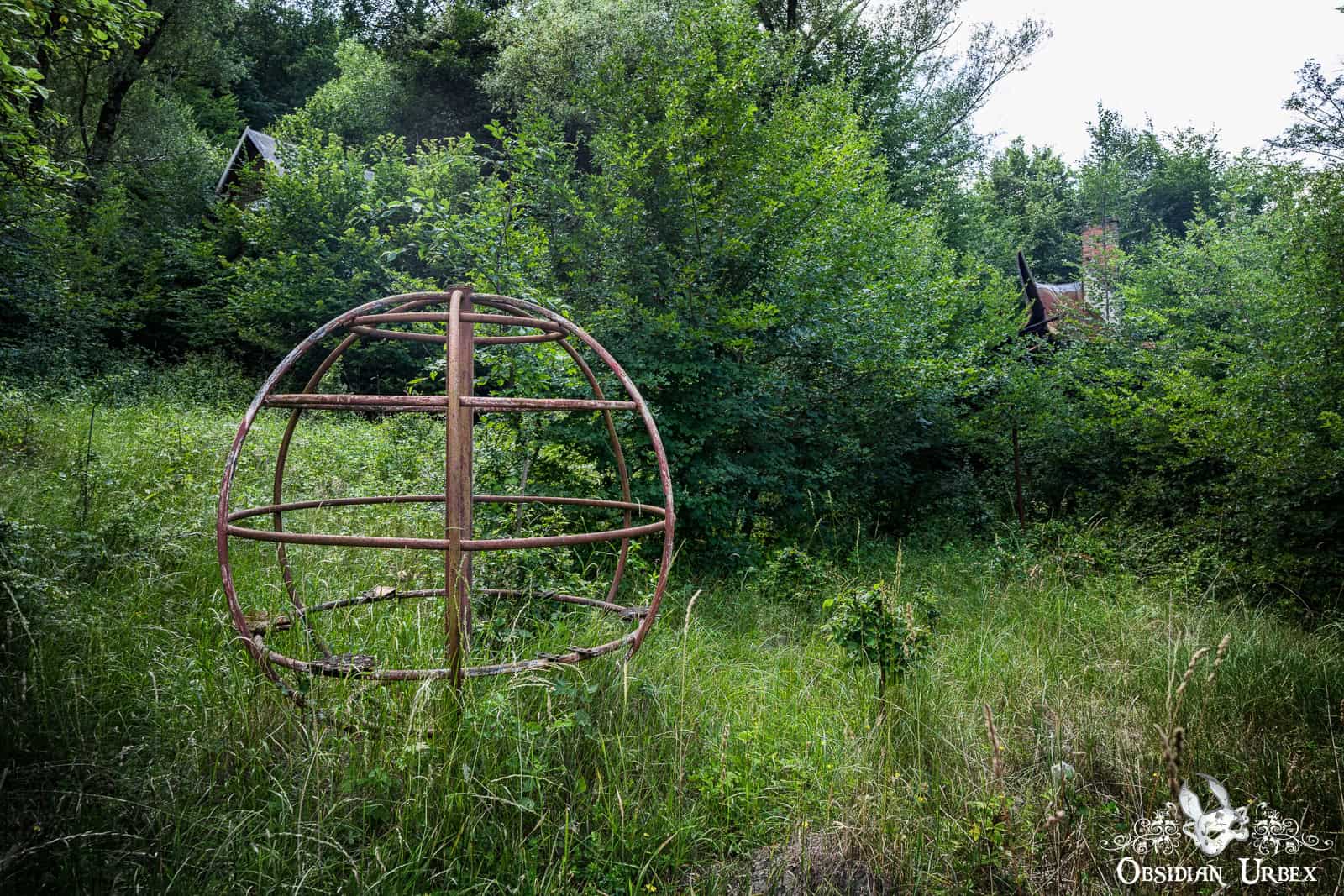
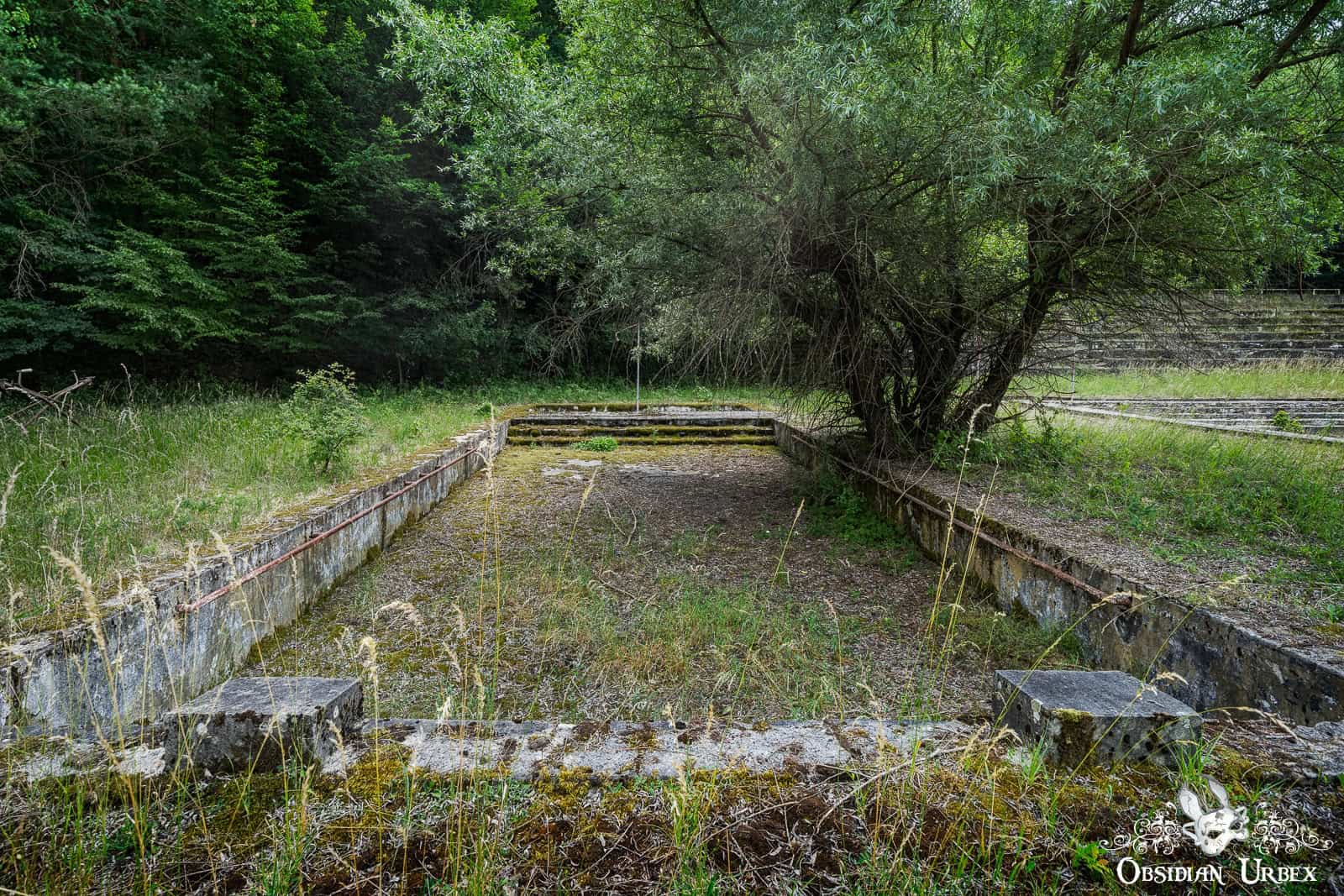
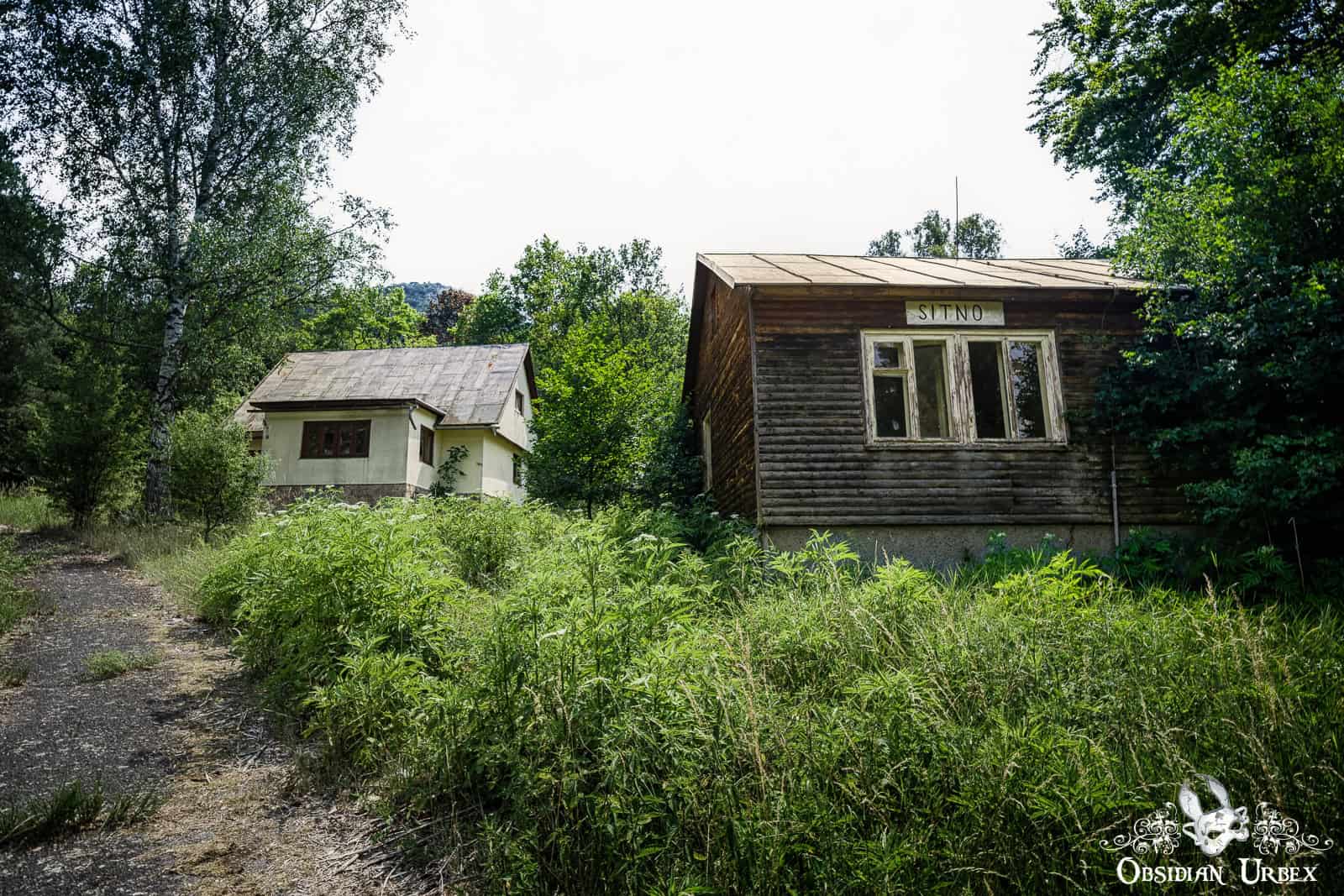
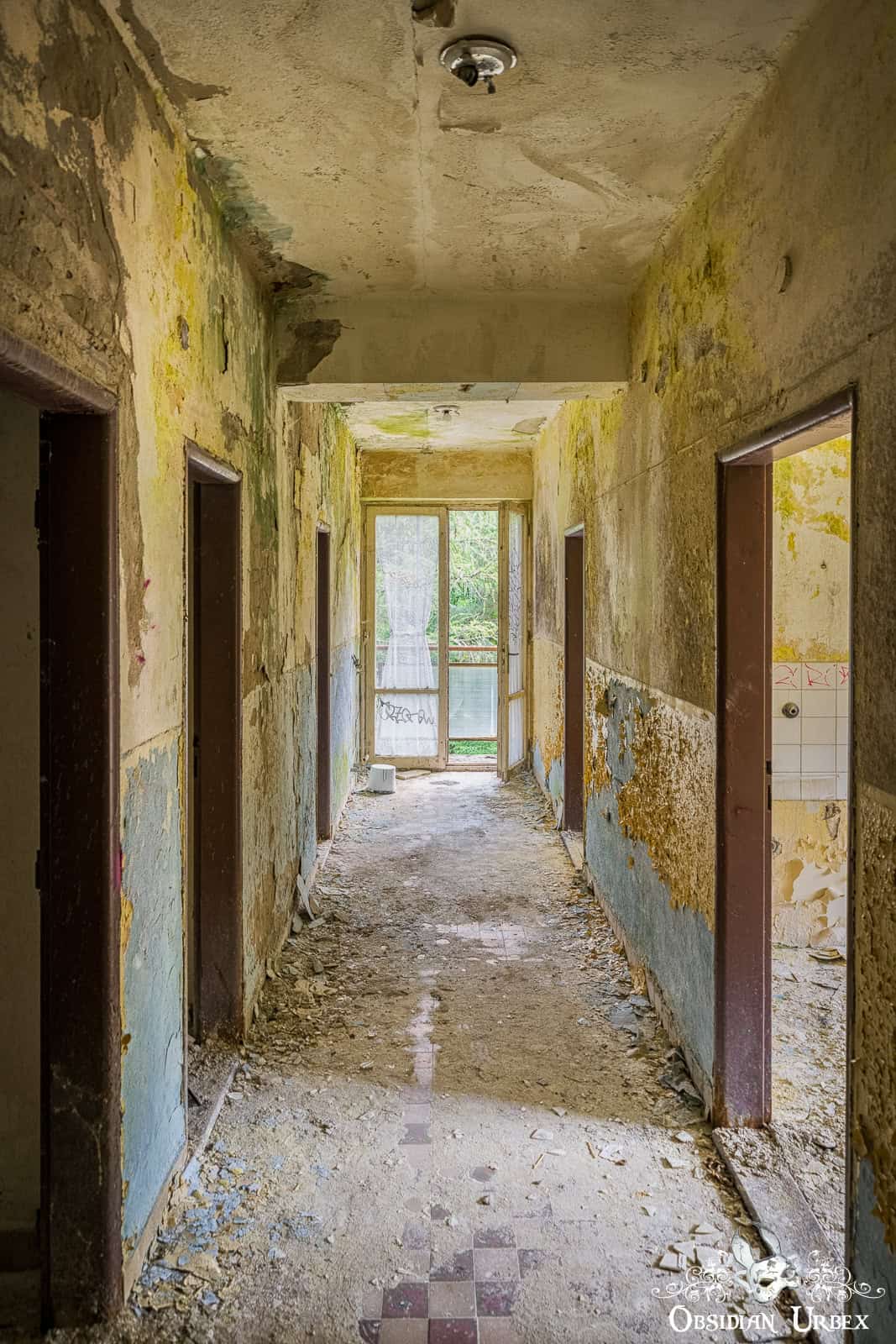
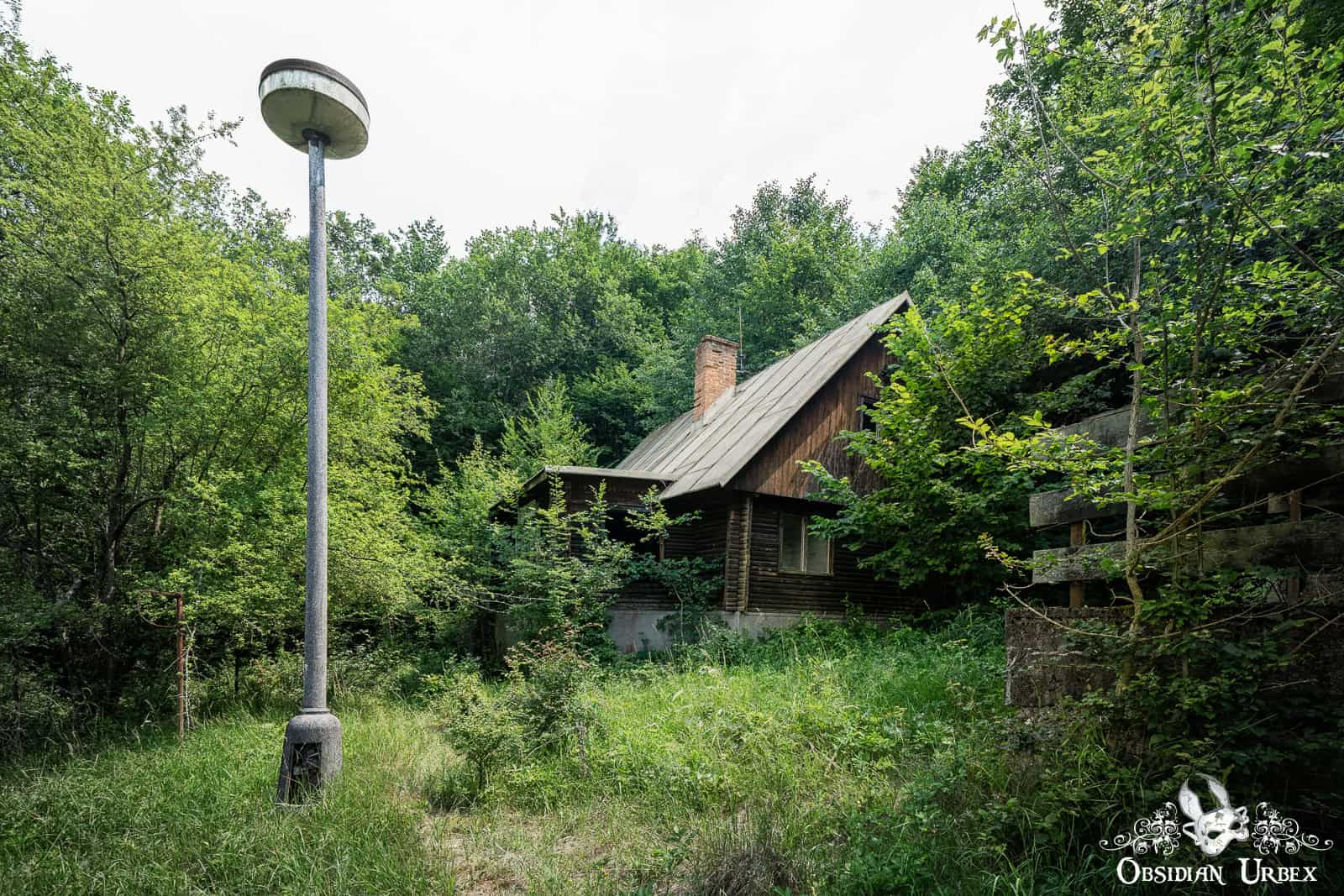
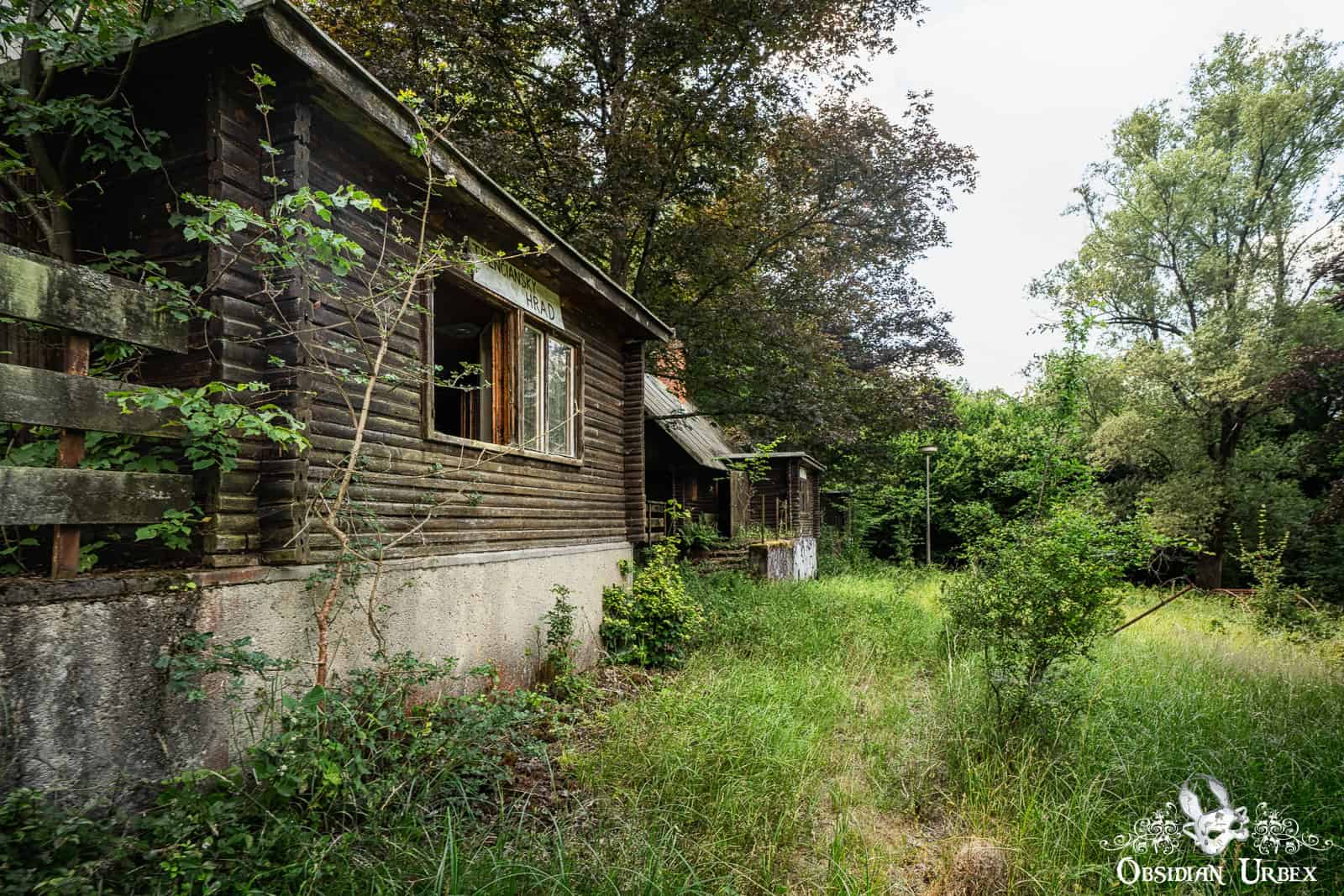
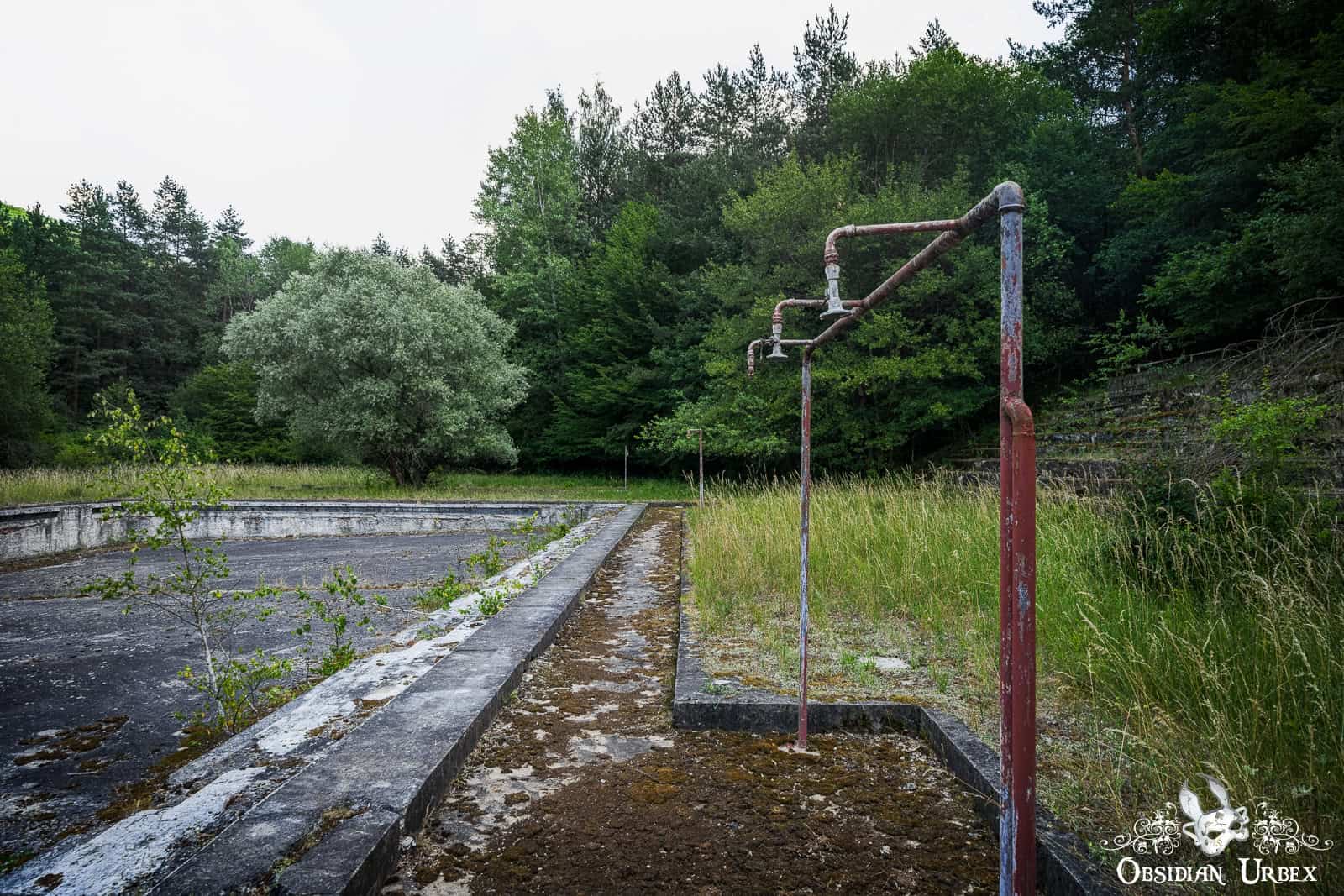
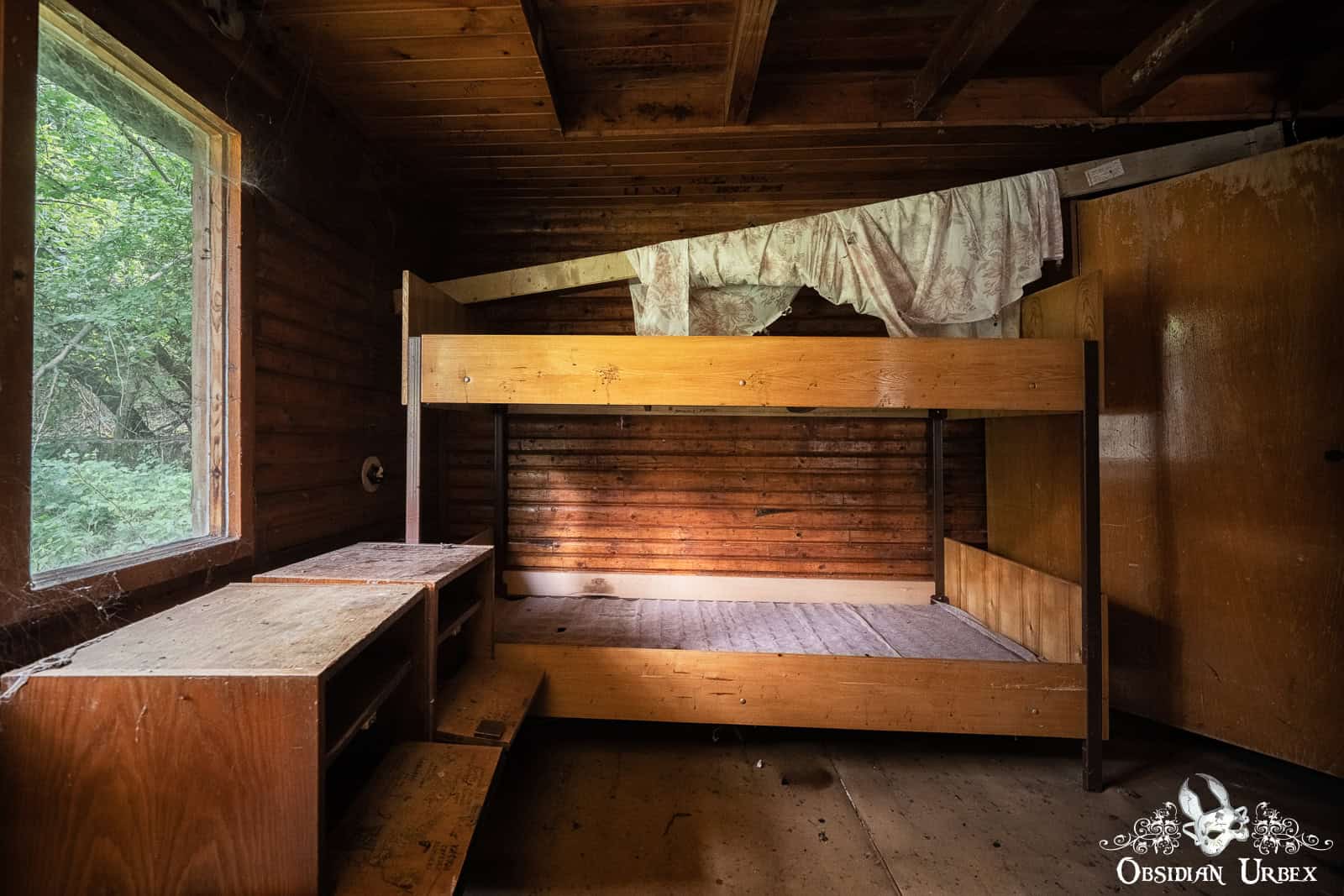
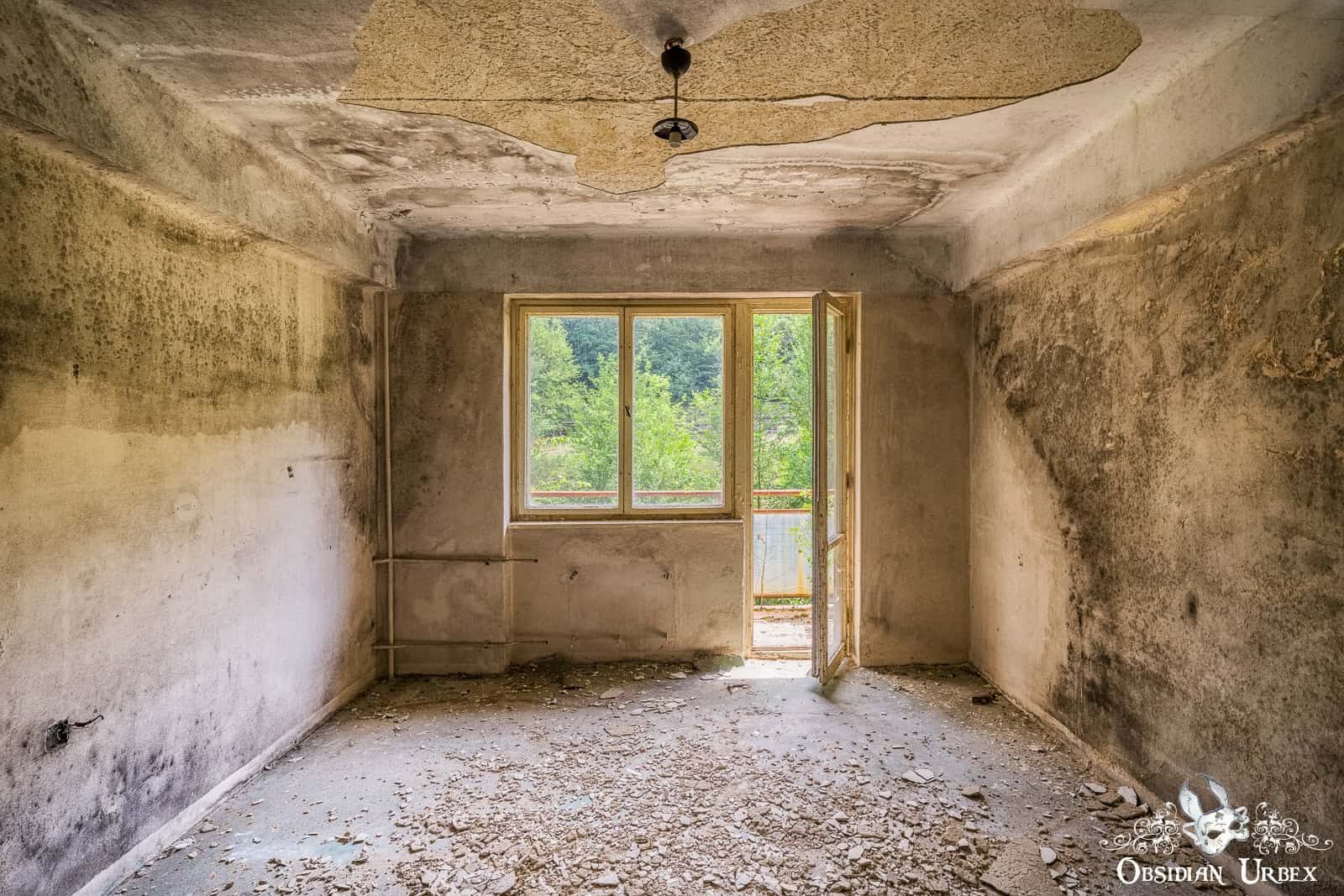
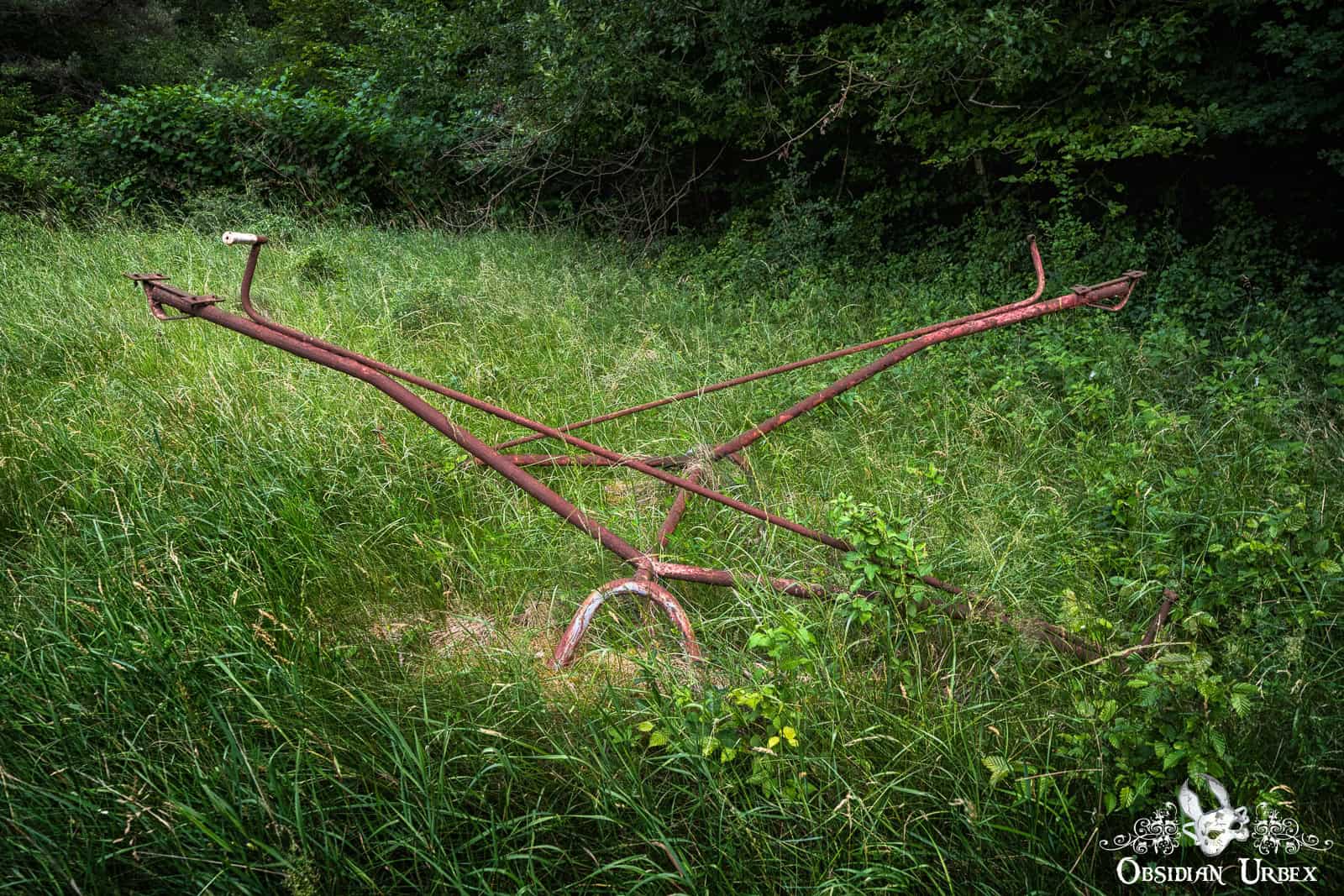
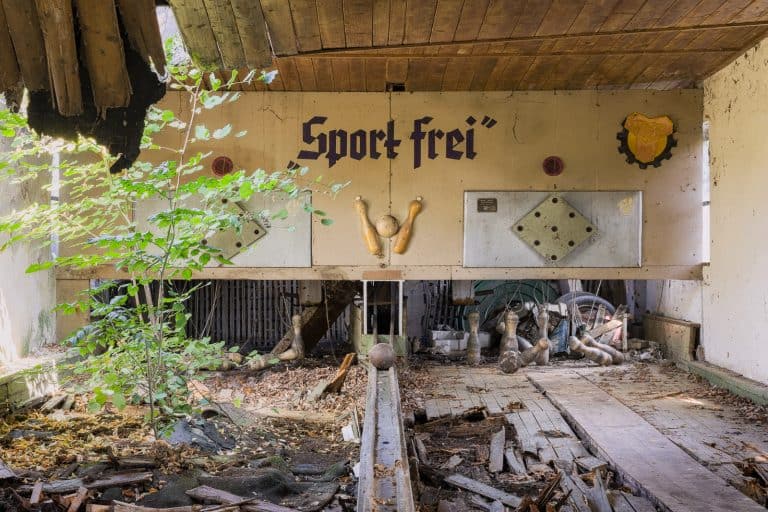
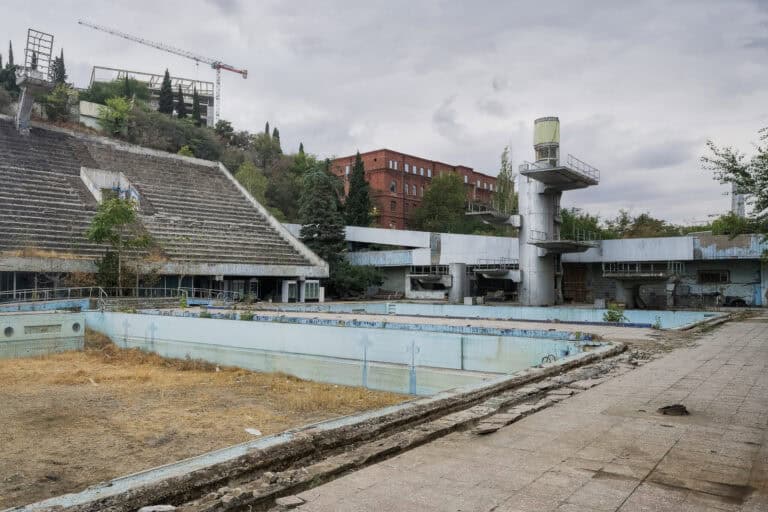
This former CSSR Pioneer Camp (Pioniersky tábor ČSSR) is a relic of socialist-era Slovakia, now left to rot in the mountain forests. In the communist Czechoslovak Socialist Republic (ČSSR), these Pioneer Camps were a place where children went during the summer from the 1950s until the early 1990s. When the Communist Party surrendered control of Czechoslovakia, these camps, along with the socialist ideology they were so closely linked with, were soon abandoned. Nowadays mountain hikers often stumble upon rows of weathered wooden cabins, empty sports complexes and drained concrete swimming pools marking the sites of former socialist youth camps such as this one.
I explored the decaying structures and overgrown grounds of CSSR Pioneer Camp during my 2026 road trip around Slovakia and Hungary.
Following the 1948 communist takeover in Czechoslovakia, the state replaced independent scouting groups with the Pioneer Organisation. The Communist Party established summer and winter camps under the name Pioniersky tábor ČSSR (CSSR Pioneer Camp). Camp curricula rested on five ideological pillars: ethical socialist morality, patriotism, collective work, physical education, and cultural education. Arguably, the main goal was to engrain loyalty to the Communist Party and reinforce socialist ideology in the following generations.
Parents across the ČSSR secured places for their children through their workplace trade unions for a heavily subsidised fee. Typically summer camps ran between July and August during the school holidays. There were also winter camps during the February school holidays, which focused on skiing and winter sports. The camps were typically run in 18-day shifts, known as turnusy. Camp rules prohibited or strictly limited parent visits to build child independence and prevent infectious outbreaks. The state also operated international camps, which hosted children from East Germany, Poland, Bulgaria, and the Soviet Union.
These camps followed a strict daily routine. Each morning began with a wake-up bugle, group warm-up exercises and breakdarts. Next came the formal roll call, or nástup, at a central assembly area. Campers wore light blue shirts and red neckerchiefs, or červená šatka, while they raised the ČSSR flag and sang anthems. Staff enforced collective responsibility for camp tidiness, kitchen duties, preparing wood, and completing cleaning work.
Morning sessions focused on hobby clubs, or krúžky. These would offer sports, handicrafts, model building, music, and natural science. Afternoons featured outdoor activities such as mountain hikes, lake swimming, and football or volleyball tournaments. Evenings were focused on cultural activities such as folk dancing, youth discos or campfire singing.
Leaders also organised night courage games, or nočná hra, sending children along dark forest trails to earn merit badges. The camps also devoted time to civil defence training. Everything from gas mask drills and air rifle marksmanship to basic first aid.
In the late 1980s, specialised camps at sites like Mýto pod Ďumbierom also taught basic programming on Czechoslovak PMD 85 microcomputers.
On 17th November 1989, student demonstrators gathered in Národní Street in Prague, marking the start of the Velvet Revolution. Soon, similar strikes and demonstrations appeared across Czechoslovakia. Hundreds of thousands of citizens gathered daily across the republic, jingling keys to signal the end of communist rule. On 27 November, millions of workers joined a two-hour general strike across the country.
In the wake of this public outcry, the Communist Party surrendered their political control. After a month of strikes and protests by the citizens, the country peacefully transitioned to a parliamentary republic. A new president, Václav Havel, was elected on 29 December 1989, completing a peaceful transfer of power. This marked the end of 41 years of Communist Party rule in Czechoslovakia. Soon after, Czechoslovakia split into two independent states in 1993. The economically and politically distinct states of Czechnia and Slovakia emerged.
Seen a photo you love? All my images are available as prints, please do Contact Me and let me create your perfect bespoke artwork.
Which photograph caught your eye the most? How did this location make you feel? Do you have a question? Let me know by leaving a comment!


Join My Adventures!
I add new content every week, ranging from exciting new locations to blog articles about my road trips. My beautiful newsletter will bring my photographic adventures direct to your inbox!
Your email address will not be shared, or publically displayed. I will only use your data to send you the newsletter, as outlined in the Privacy Policy. You can unsubscribe at any time, via the opt-out link included in every email.