Support me on Patreon for early access previews, rewards and giveaways!
Contact Me
Or use the contact form below.
Support me on Patreon for early access previews, rewards and giveaways!
Or use the contact form below.
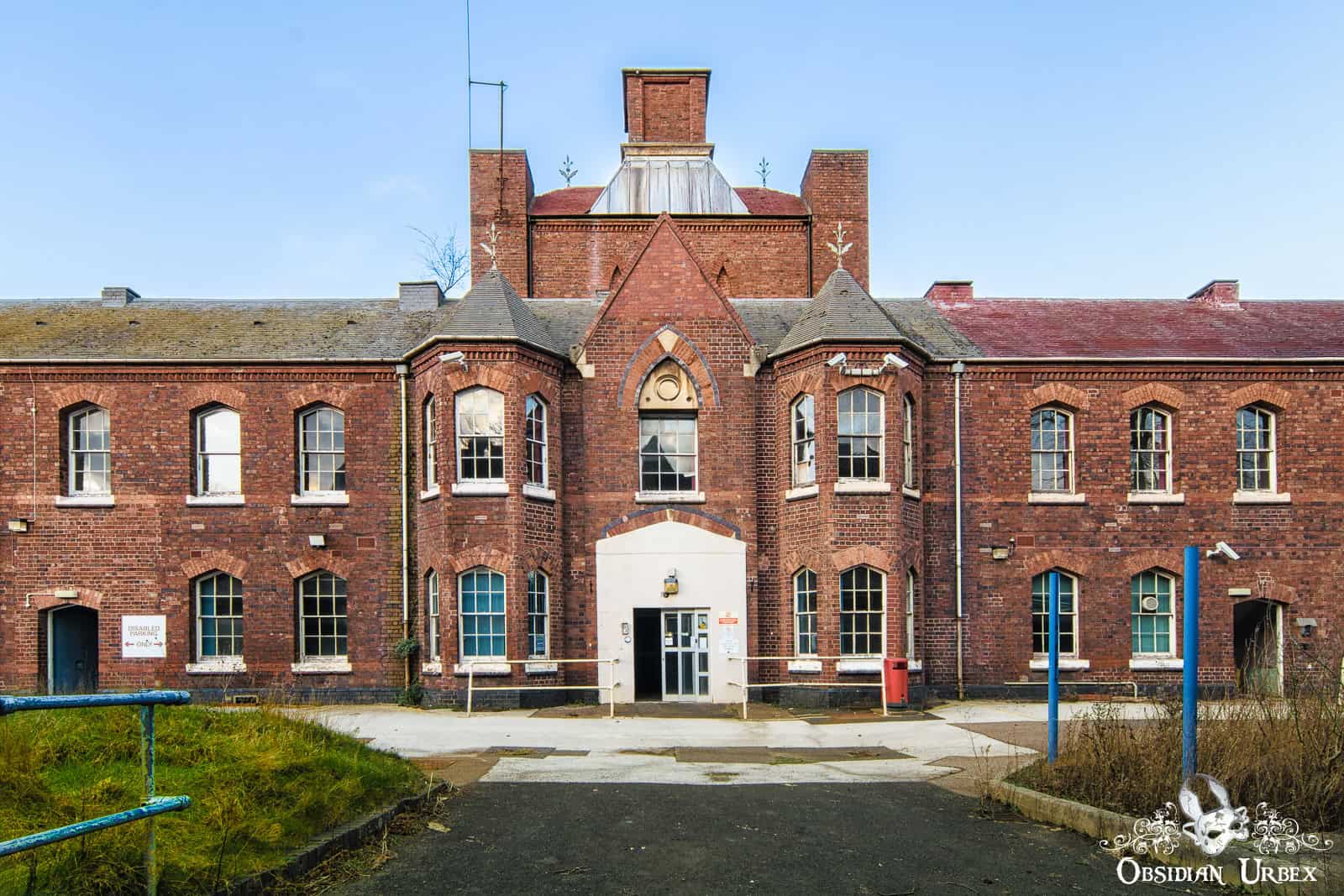
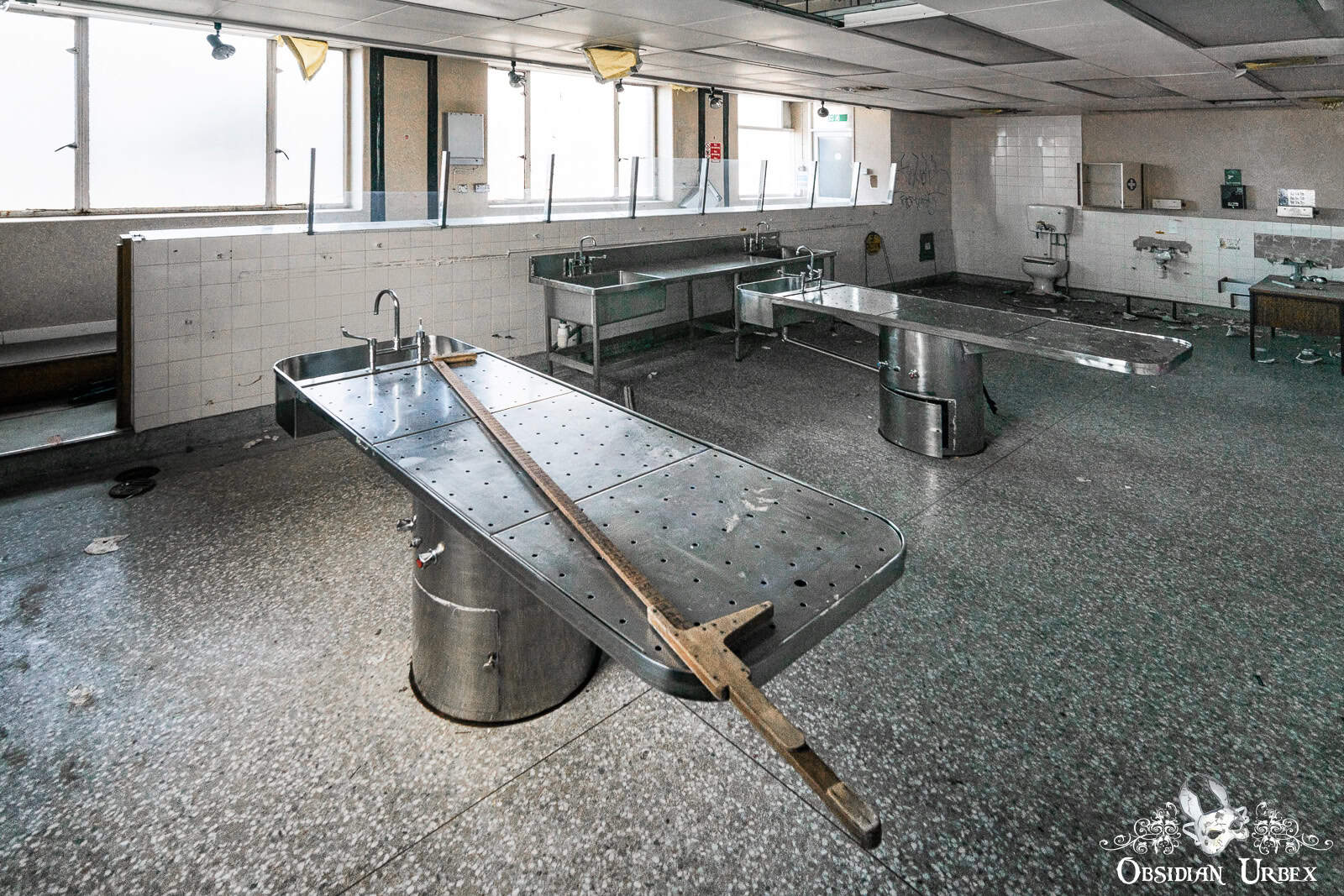
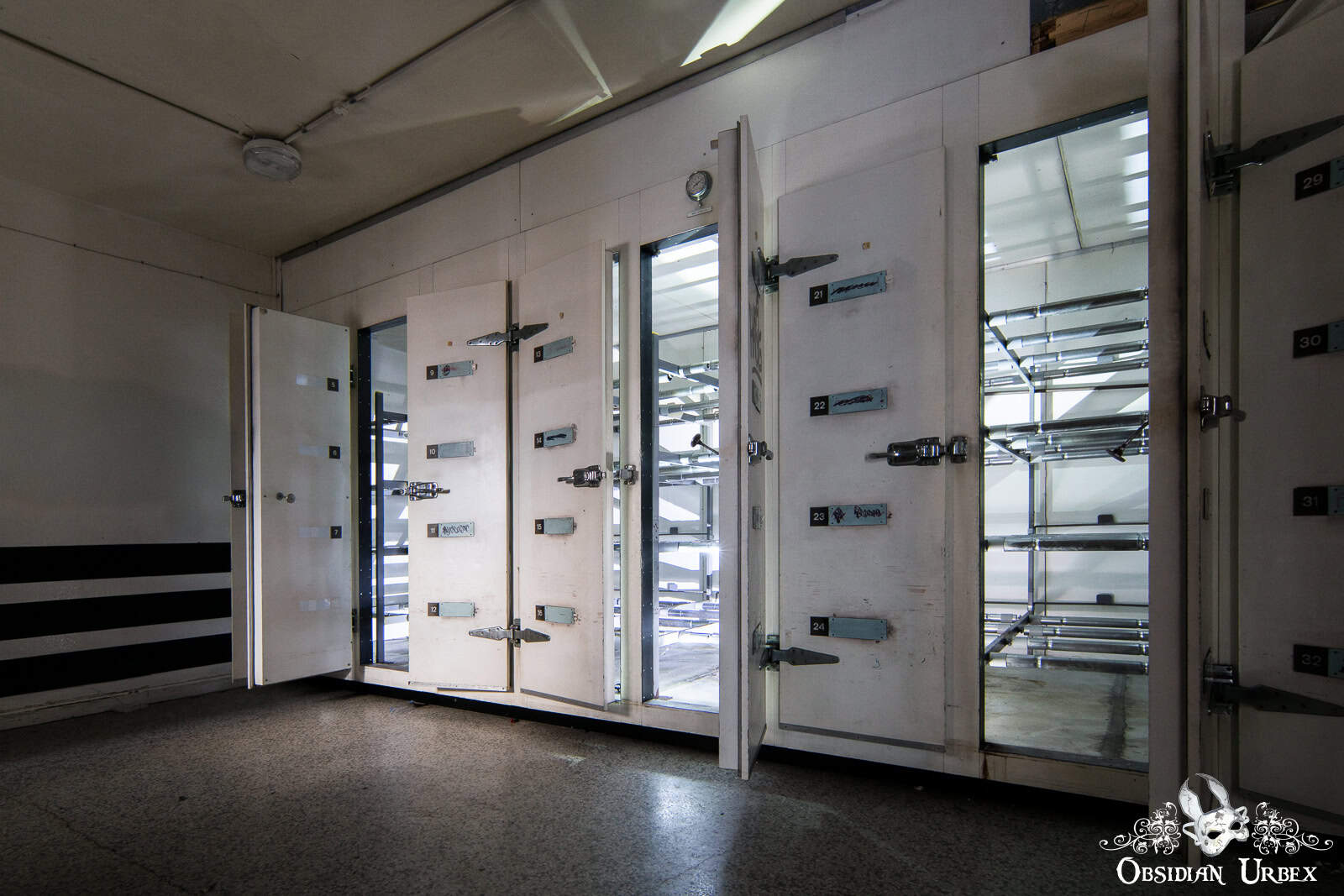
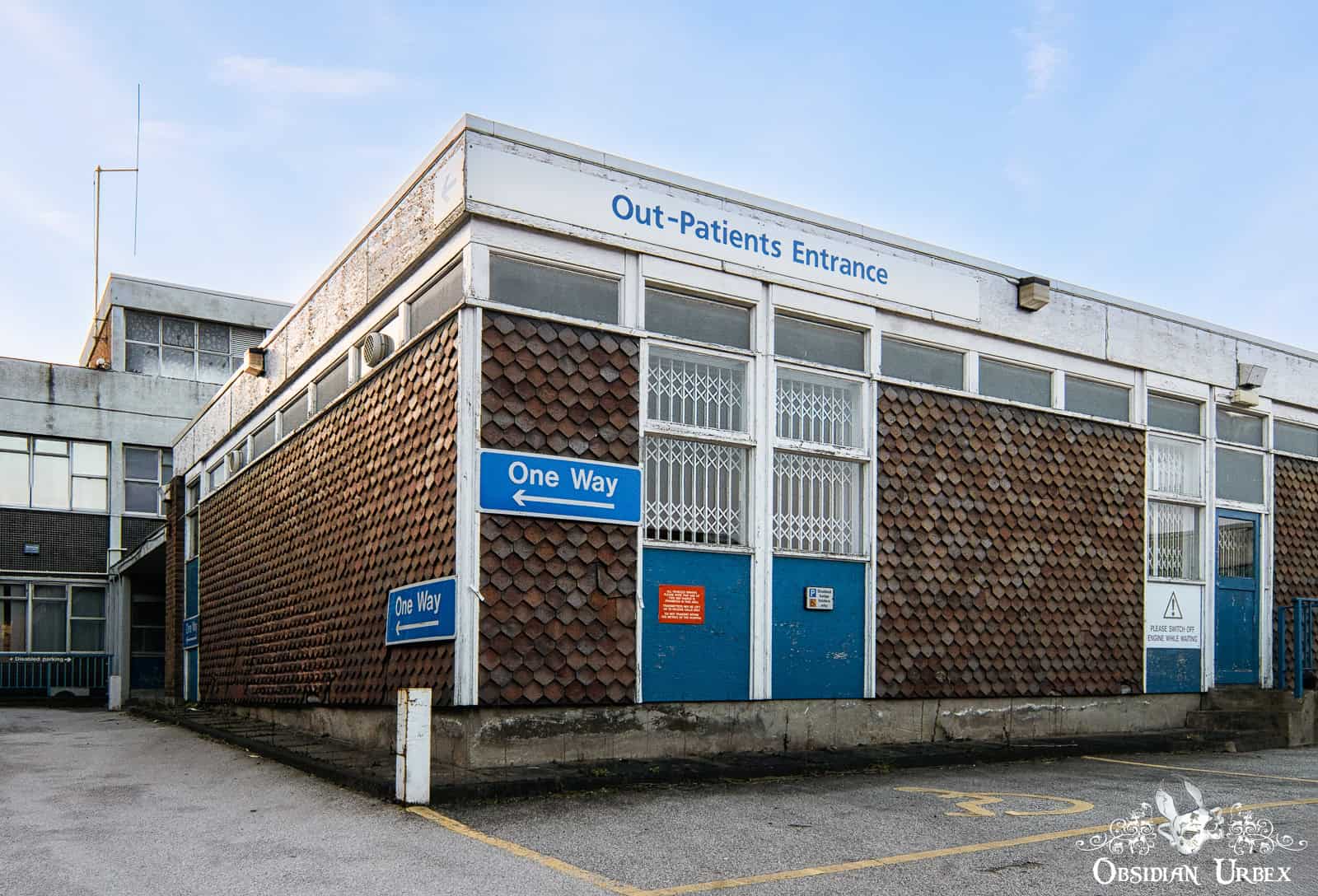
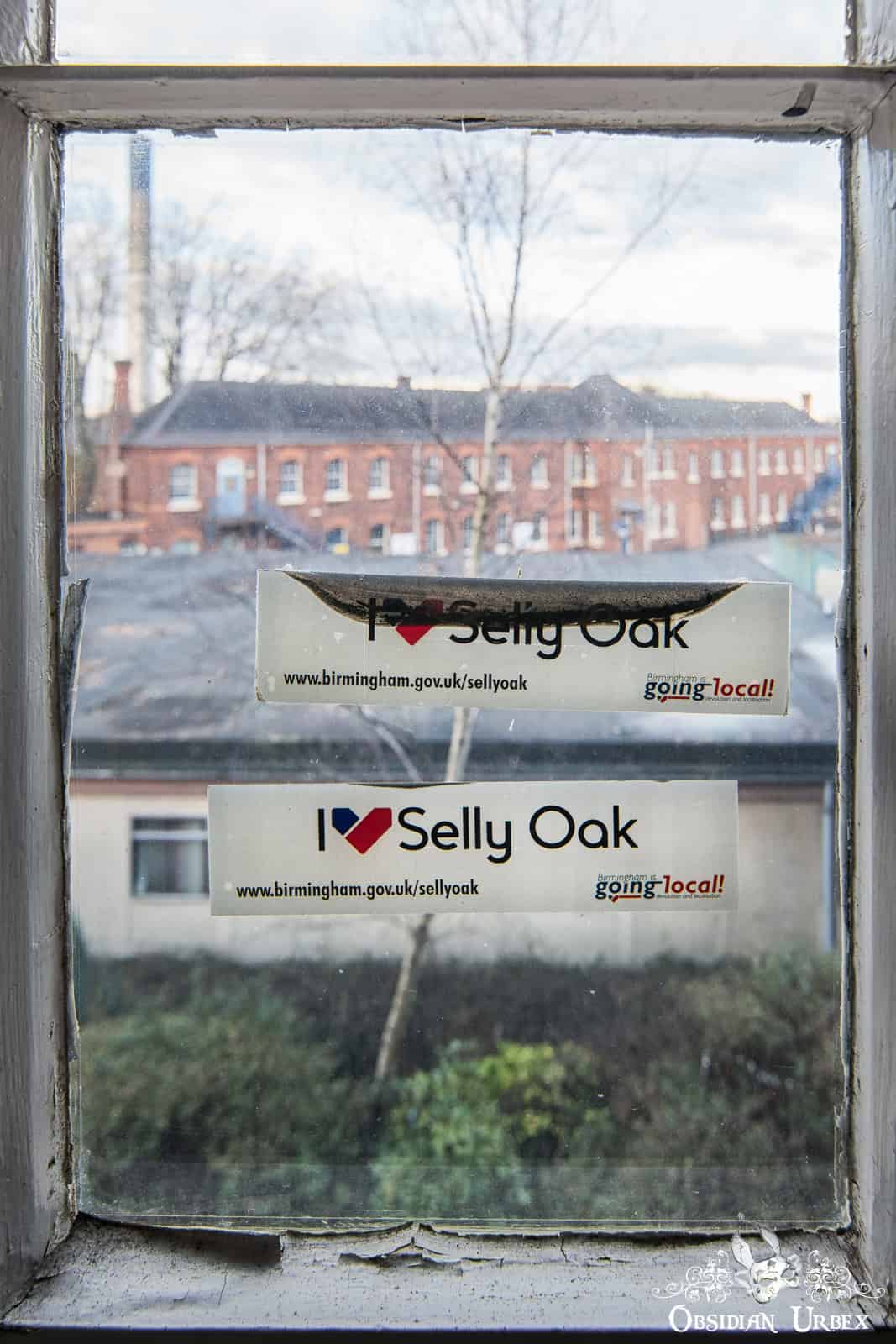
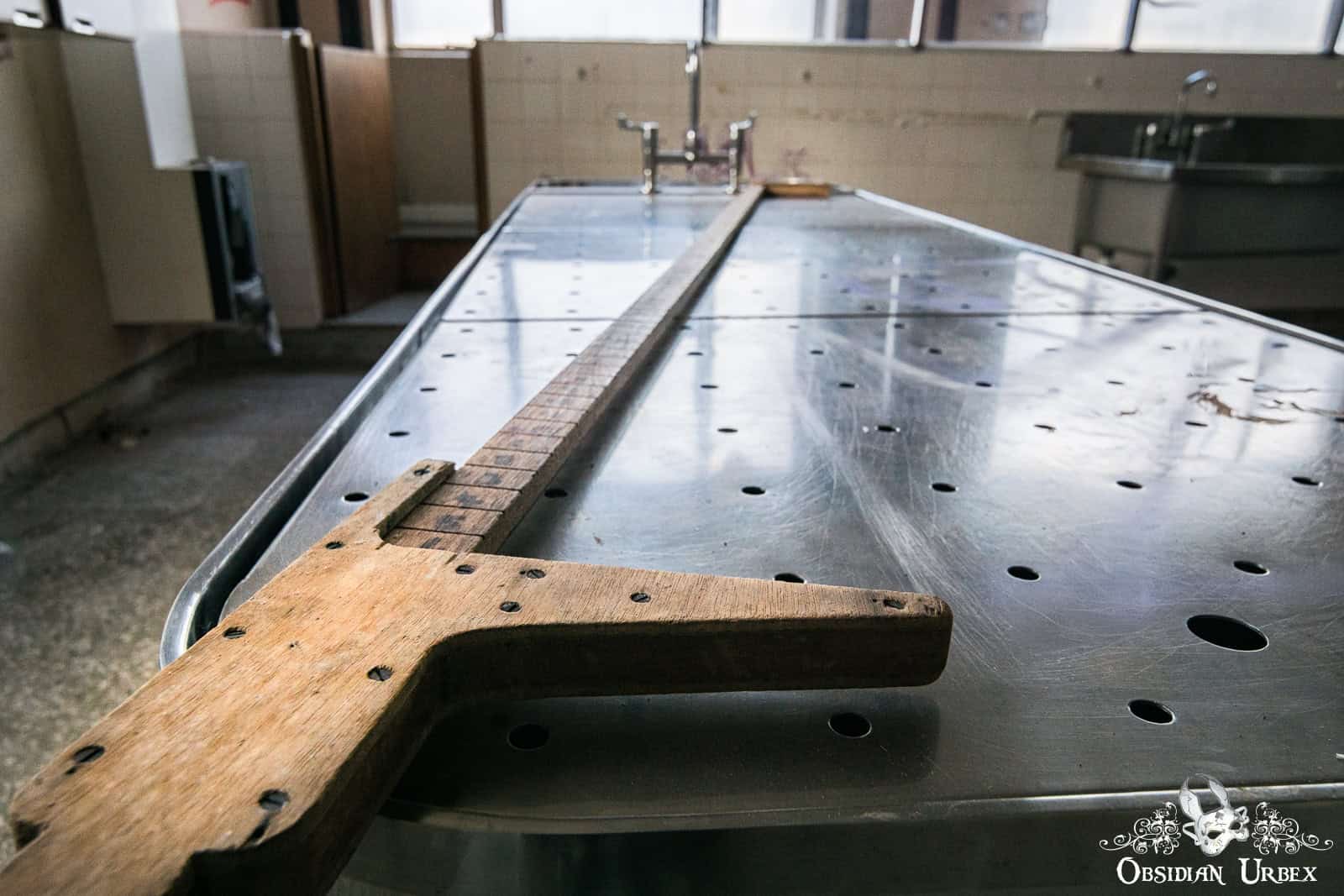
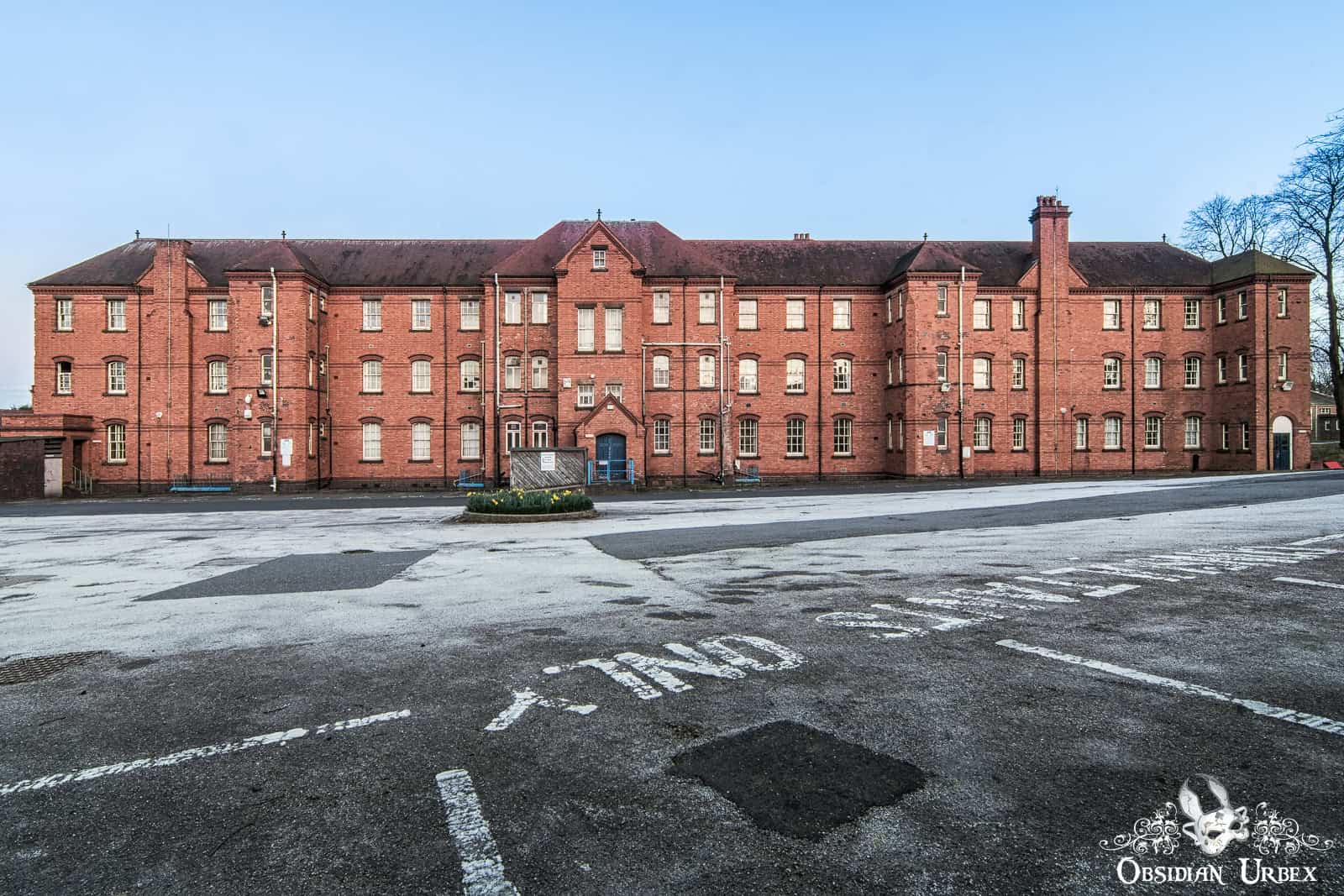
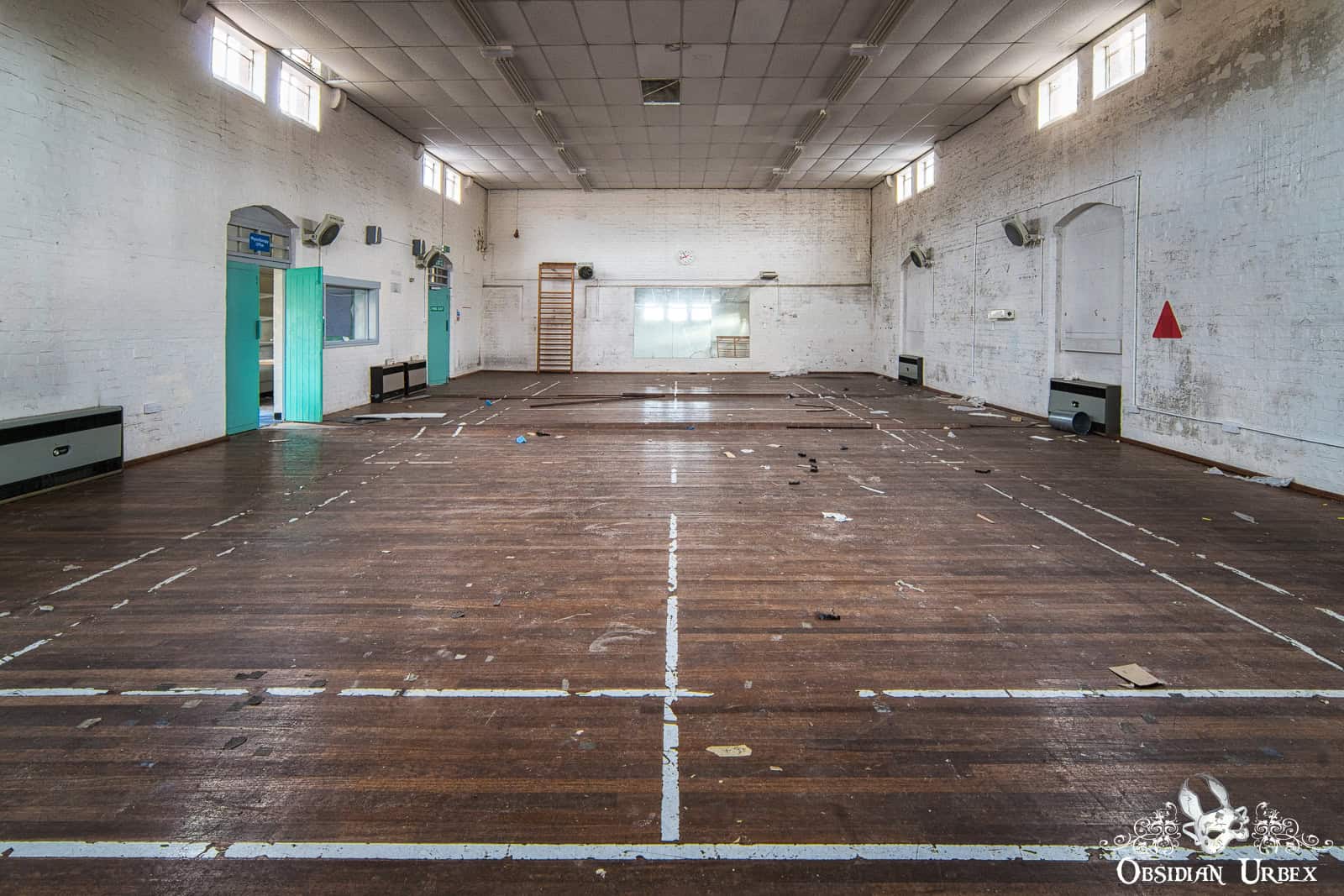
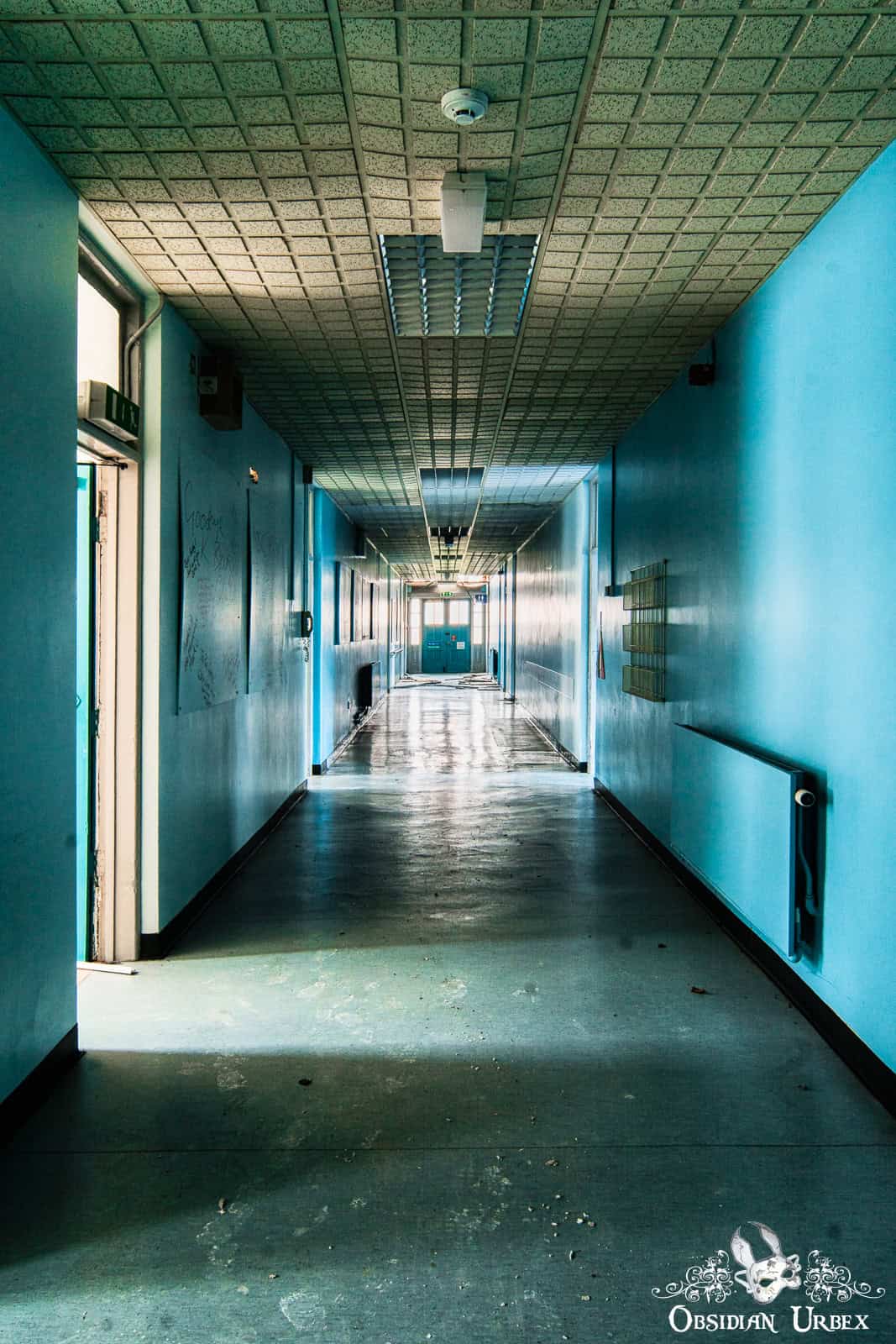
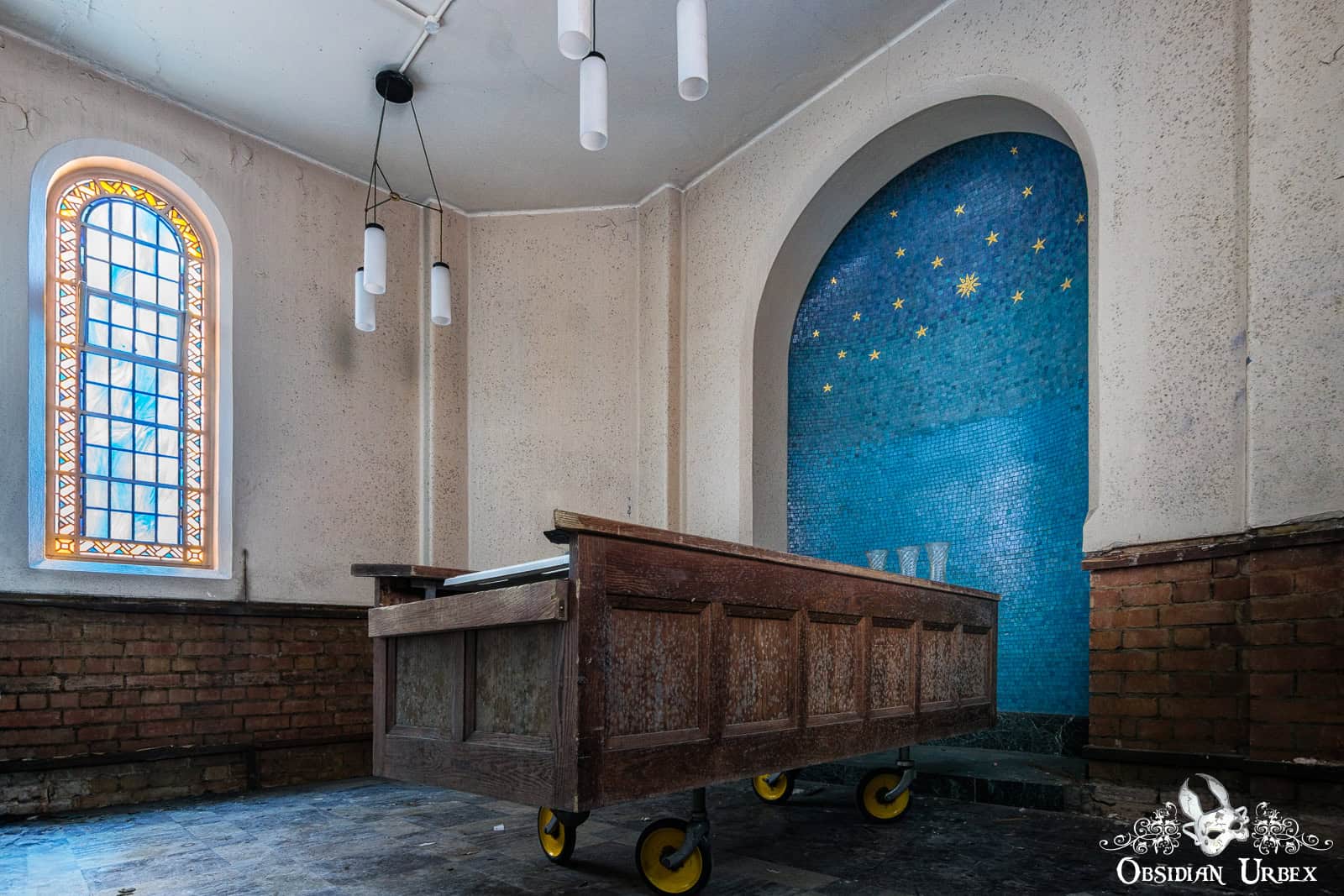
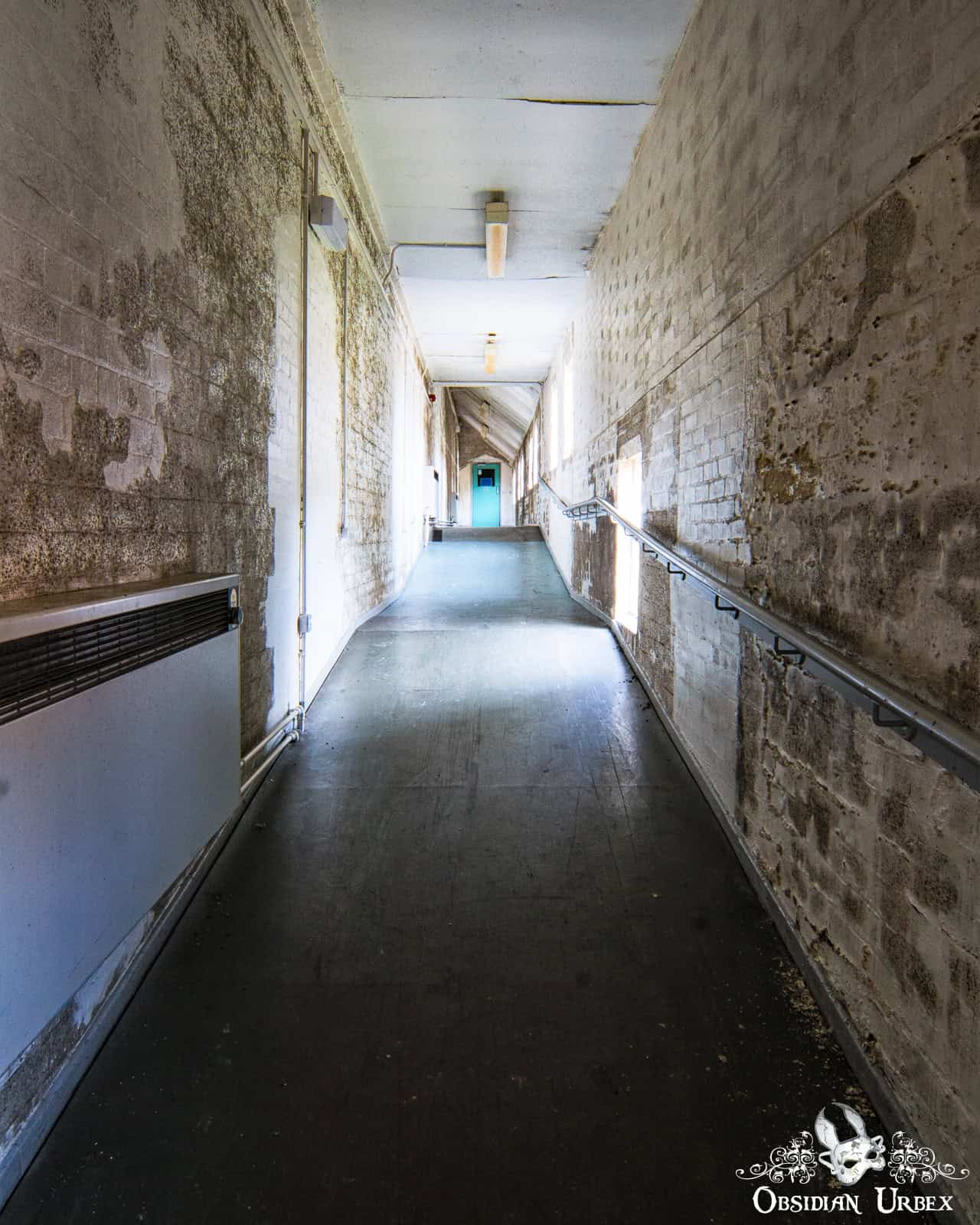
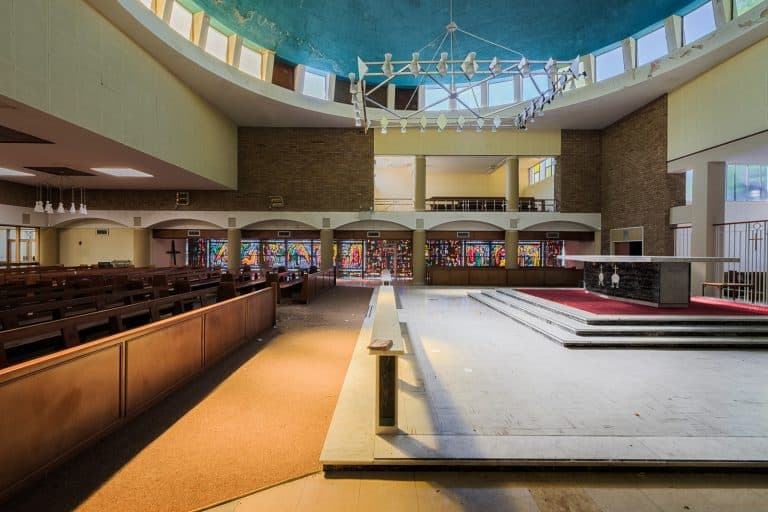
Selly Oak Hospital was a large abandoned medical complex in Birmingham, England. The hospital served the city for more than a century, covering everything from general medicine to military treatment. The hospital closed in 2011, leaving most of its buildings empty.
Today the site is being redeveloped as a mixed-use scheme; while the pre-1960 brick-built buildings have been renovated, many of the other buildings have now been demolished.
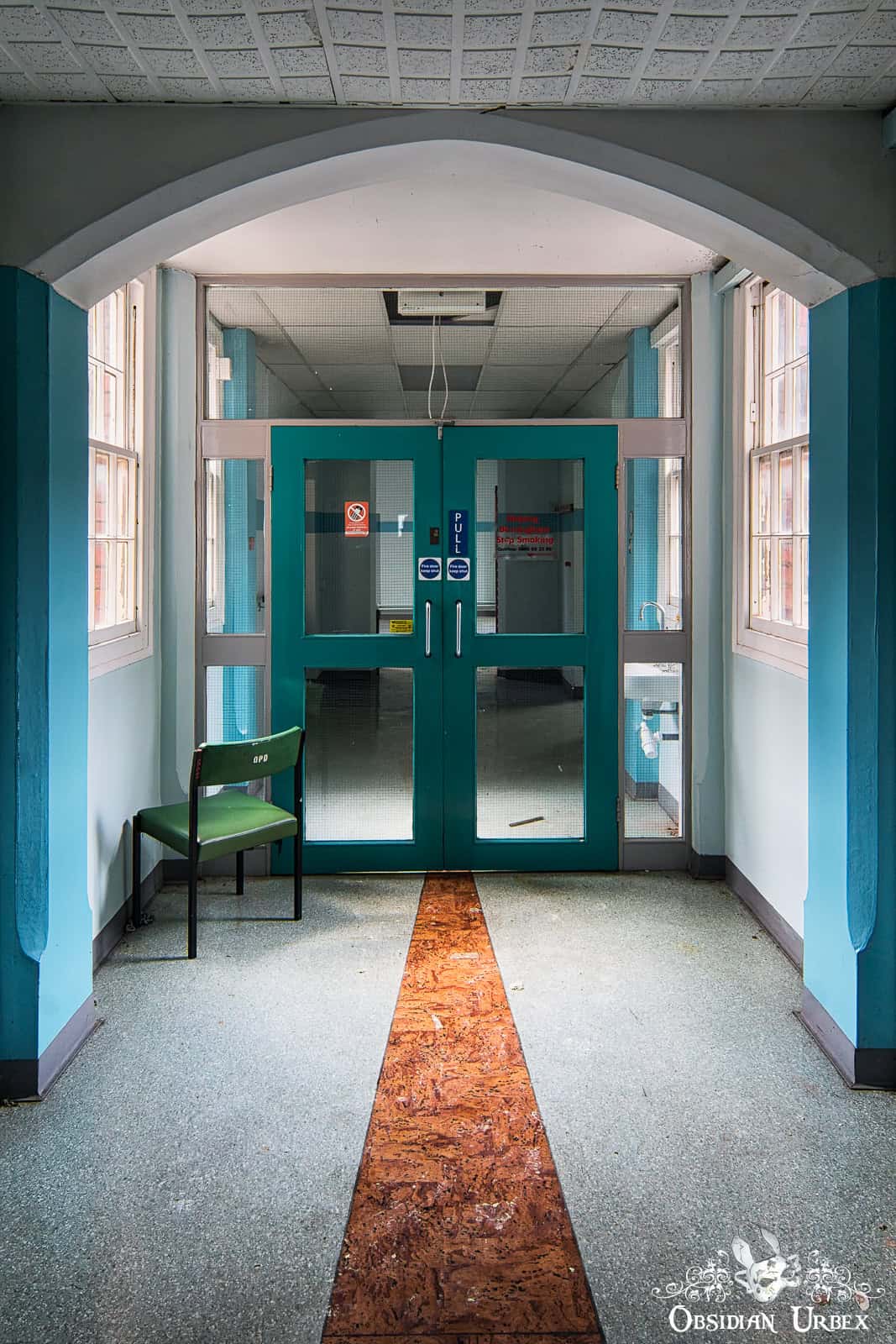
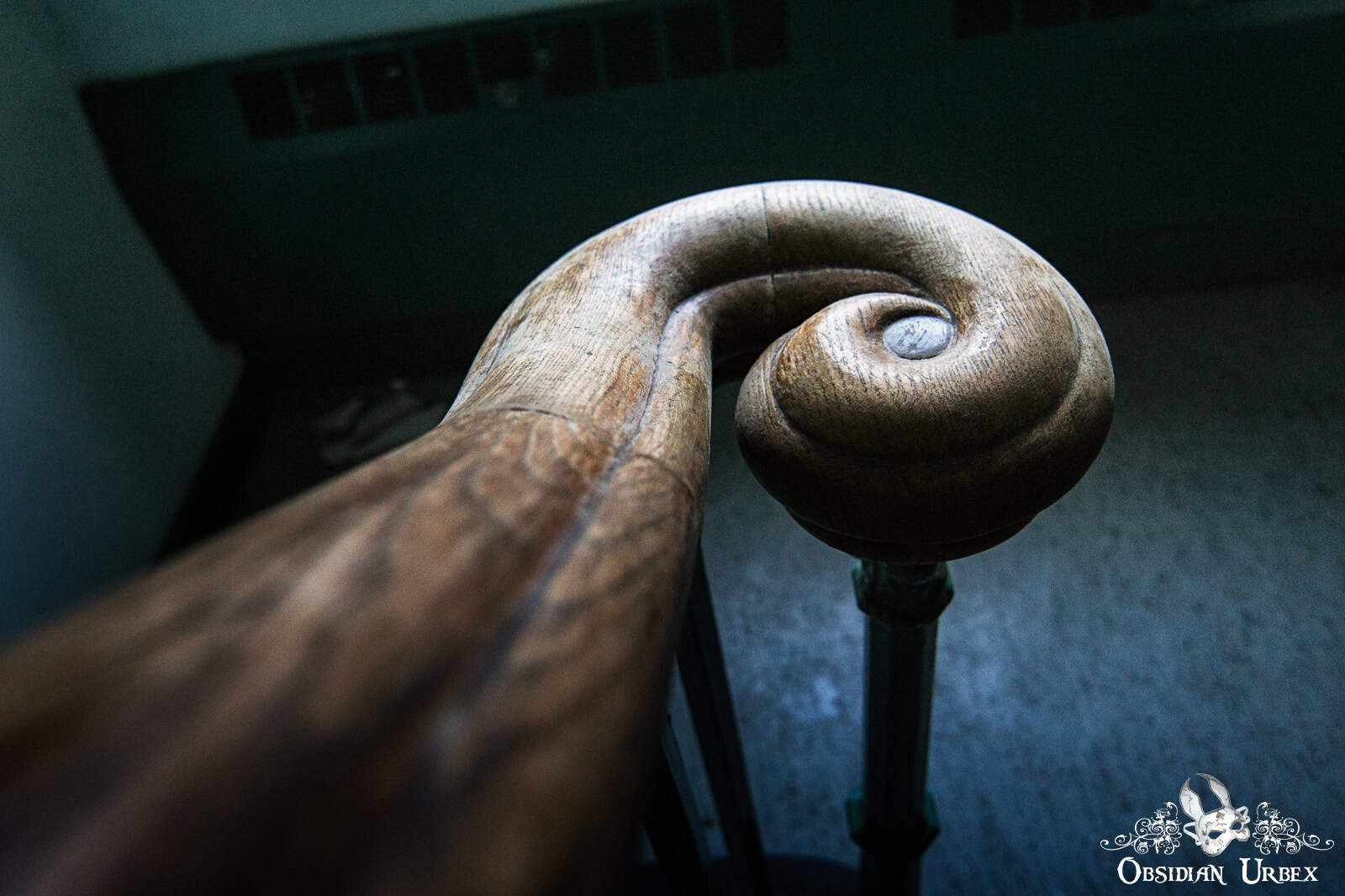
I visited Selly Oak Hospital in 2016. At this time much of the old complex still stood, and access between various blocks was possible (in between dodging security and monitored CCTV).
Selly Oak Hospital began in the late 1800s when the King’s Norton Union Workhouse and Infirmary opened on this site. The complex grew steadily through the early twentieth century, growing alongside Birmingham as it expanded. During the First and Second World Wars, many of the buildings were repurposed for military use. This hospital was treating wounded servicemen alongside civilian patients.
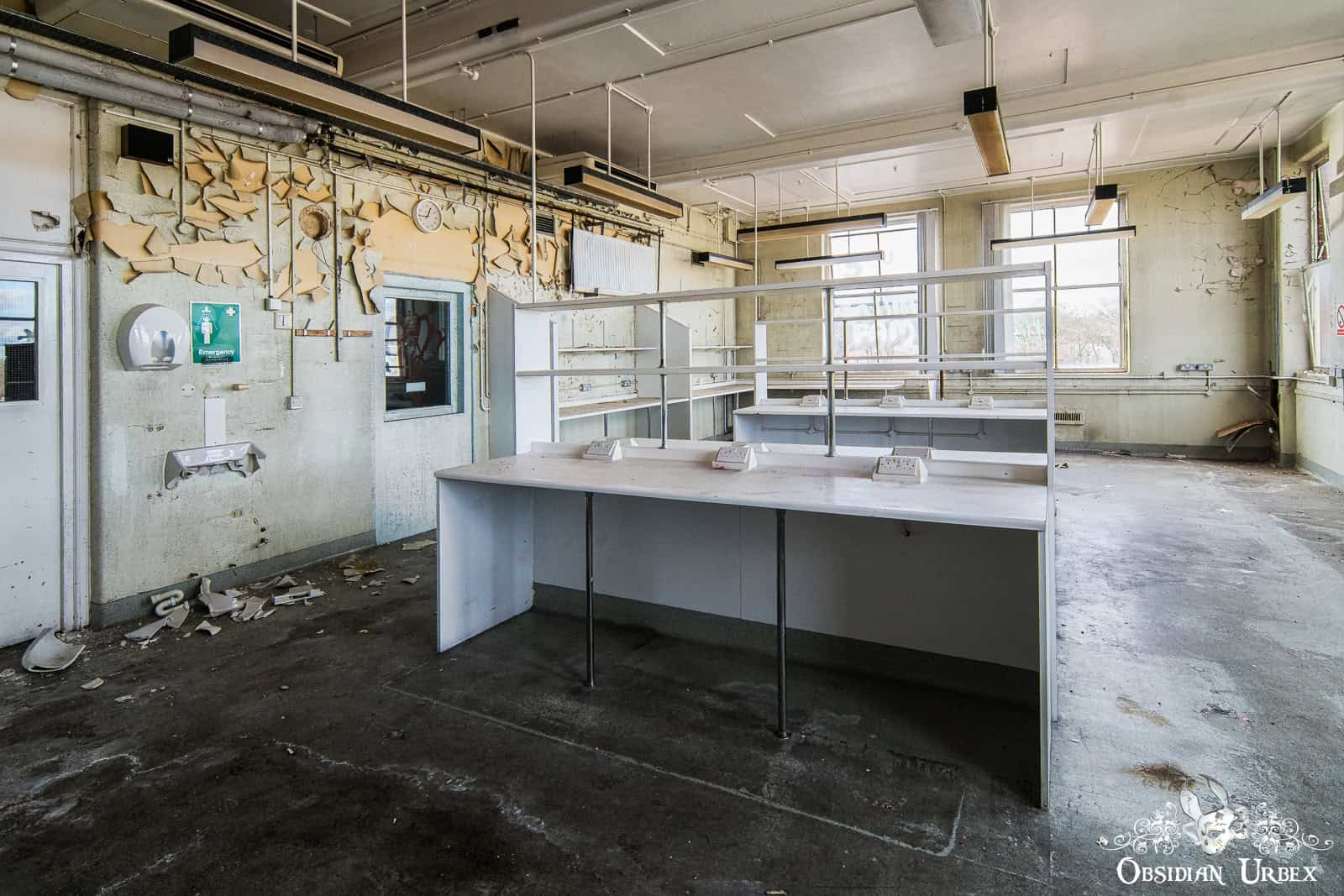
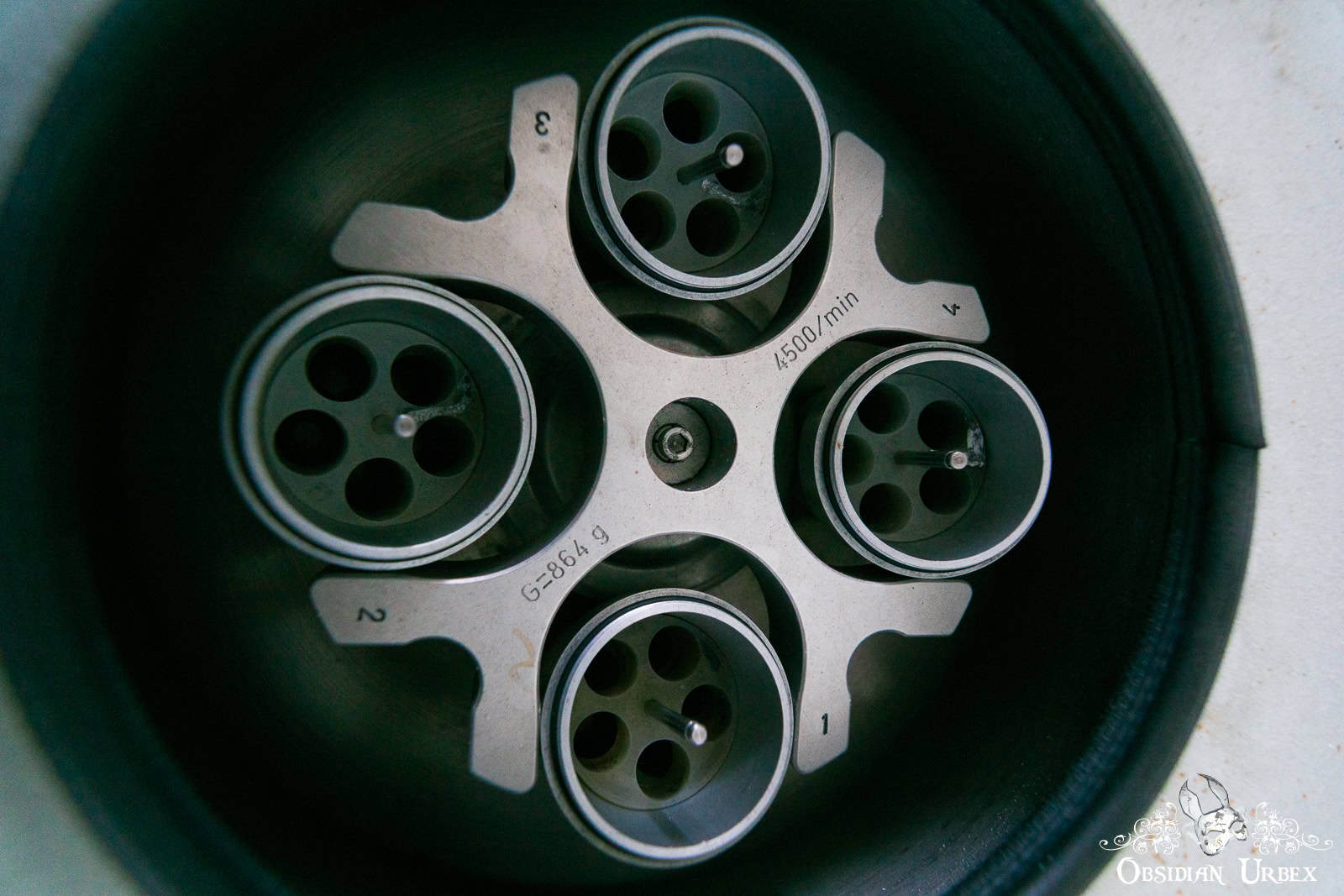
After the formation of the NHS in 1948, the site became a major general hospital for the region. Over the following decades, new wards, laboratories, and specialist departments were added. Selly Oak became known for its burns unit and infectious disease wards. Later, Selly Oak played a crucial role in supporting Queen Elizabeth Hospital’s trauma and military care programme.
By the early 2000s, most services began transferring to the newly built Queen Elizabeth Hospital nearby. The old buildings at Selly Oak gradually emptied, and the hospital closed in 2011. Demolition followed over several years, though some structures survived for longer while redevelopment plans shifted.
Selly Oak Hospital developed in stages, resulting in a mix of late-Victorian red-brick pavilions and mid-century medical blocks. The older buildings featured arched windows, long ward wings, and ventilation towers typical of late-nineteenth-century infirmary design. Later additions were more functional, using flat-roofed concrete forms and wide internal corridors to connect departments.
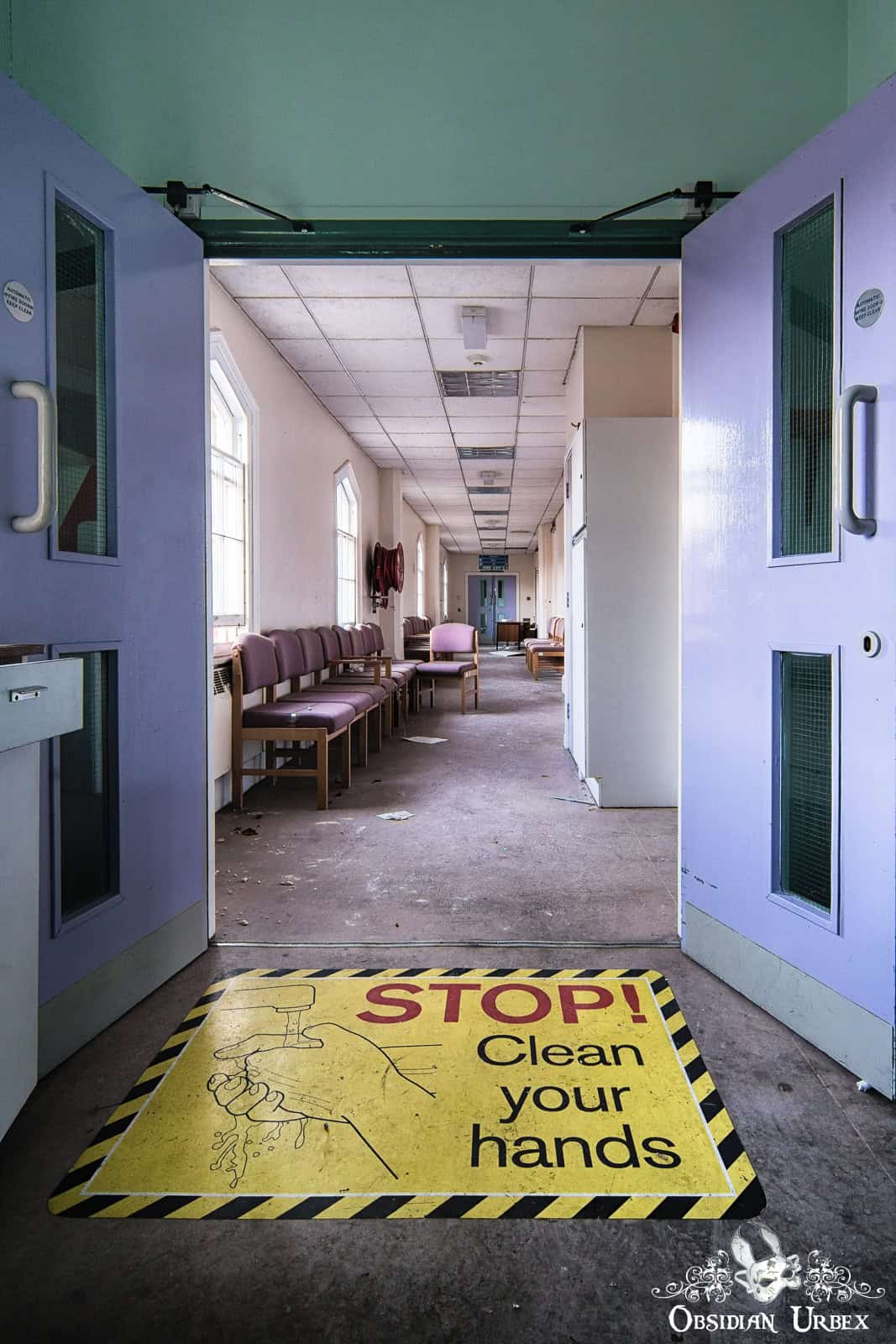
The site was large and sprawling, with separate wings for each discipline. These mainly covered surgical wards, infectious disease units, maternity care, and administration. Covered walkways linked the blocks. The operating theatres and treatment departments sat in the central complex, while the outer edges held older ward pavilions.
Selly Oak’s closure was tied to wider NHS consolidation. The opening of Queen Elizabeth Hospital reduced the need for multiple large medical campuses in the region. As services transferred between 2008 and 2011, the old Selly Oak buildings gradually became empty and were shuttered one by one.
In 2015, the site was sold to a major housebuilder, with plans for a £100 million investment and an initial phase of 98 homes. Prior to this, planning permission was granted for the redevelopment of the Selly Oak Hospital site, which included up to 650 new homes and mixed-use developments such as retail, cafés, and offices.
Features include the retention and conversion of selected heritage buildings; new landscaping; and improved connectivity to the adjacent university, hospital campus, and canal corridor. The Victorian red-brick buildings will be saved and redeveloped into flats.
The redevelopment remains ongoing, and it is gradually transforming the former hospital campus into a residential neighbourhood.
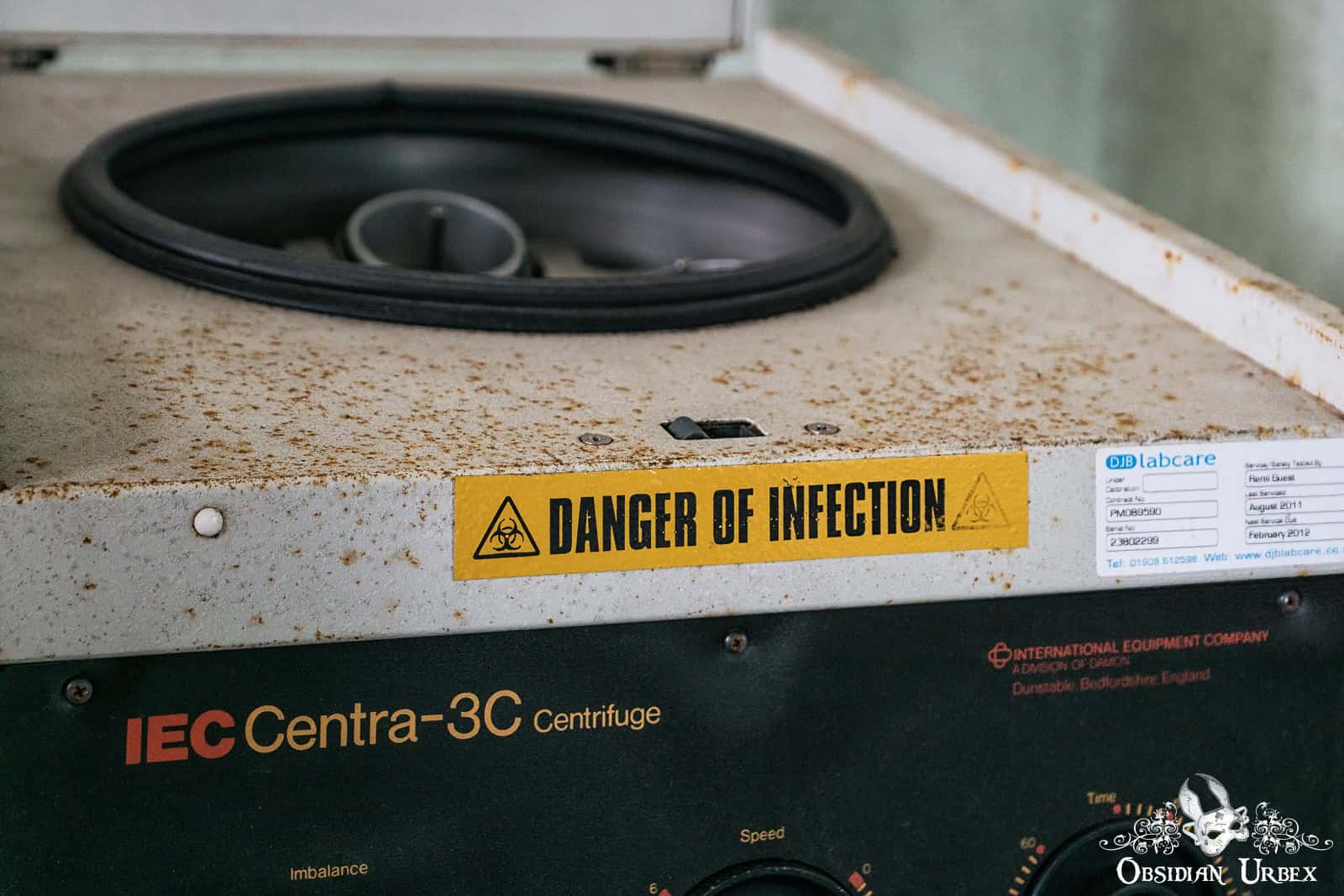
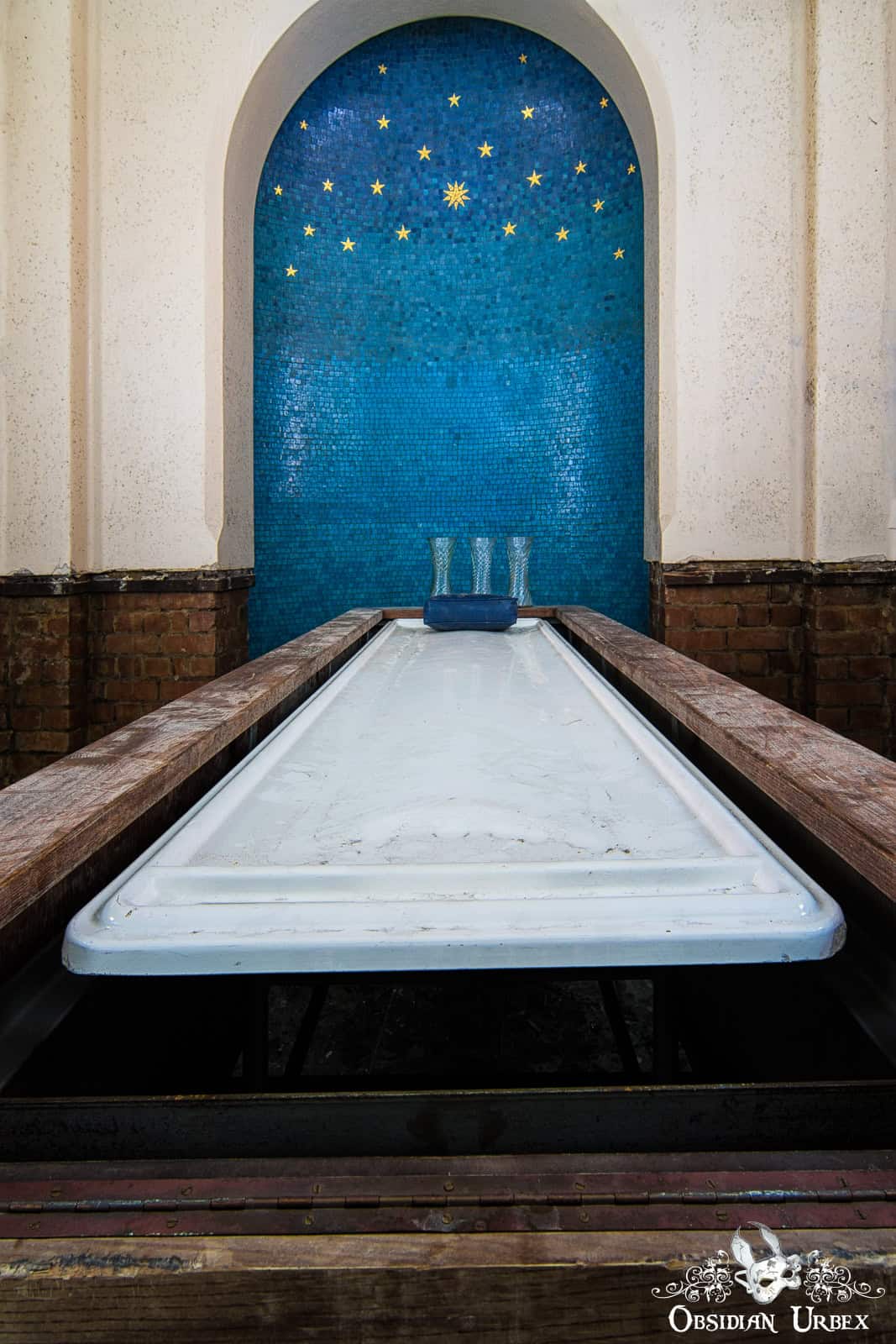
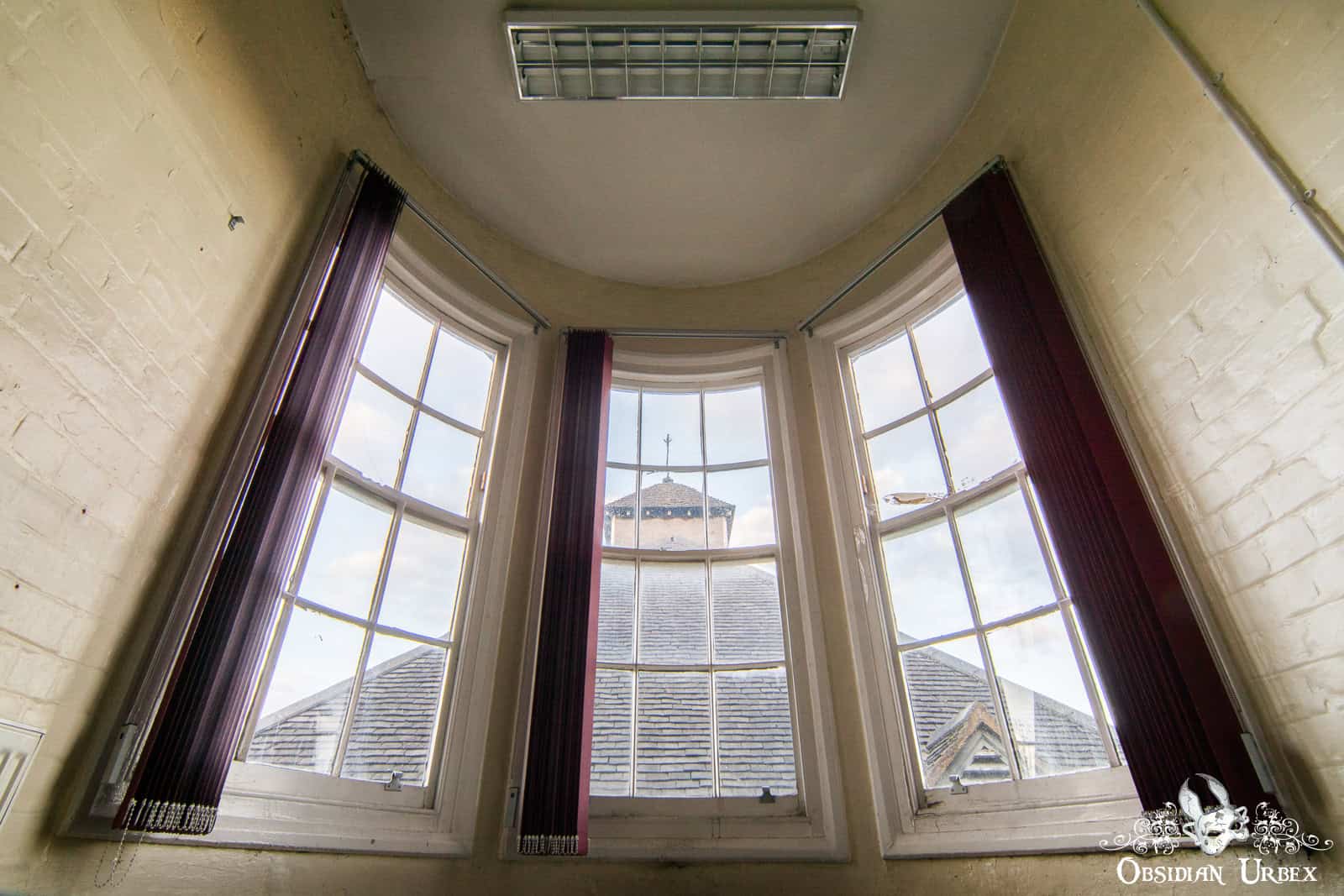
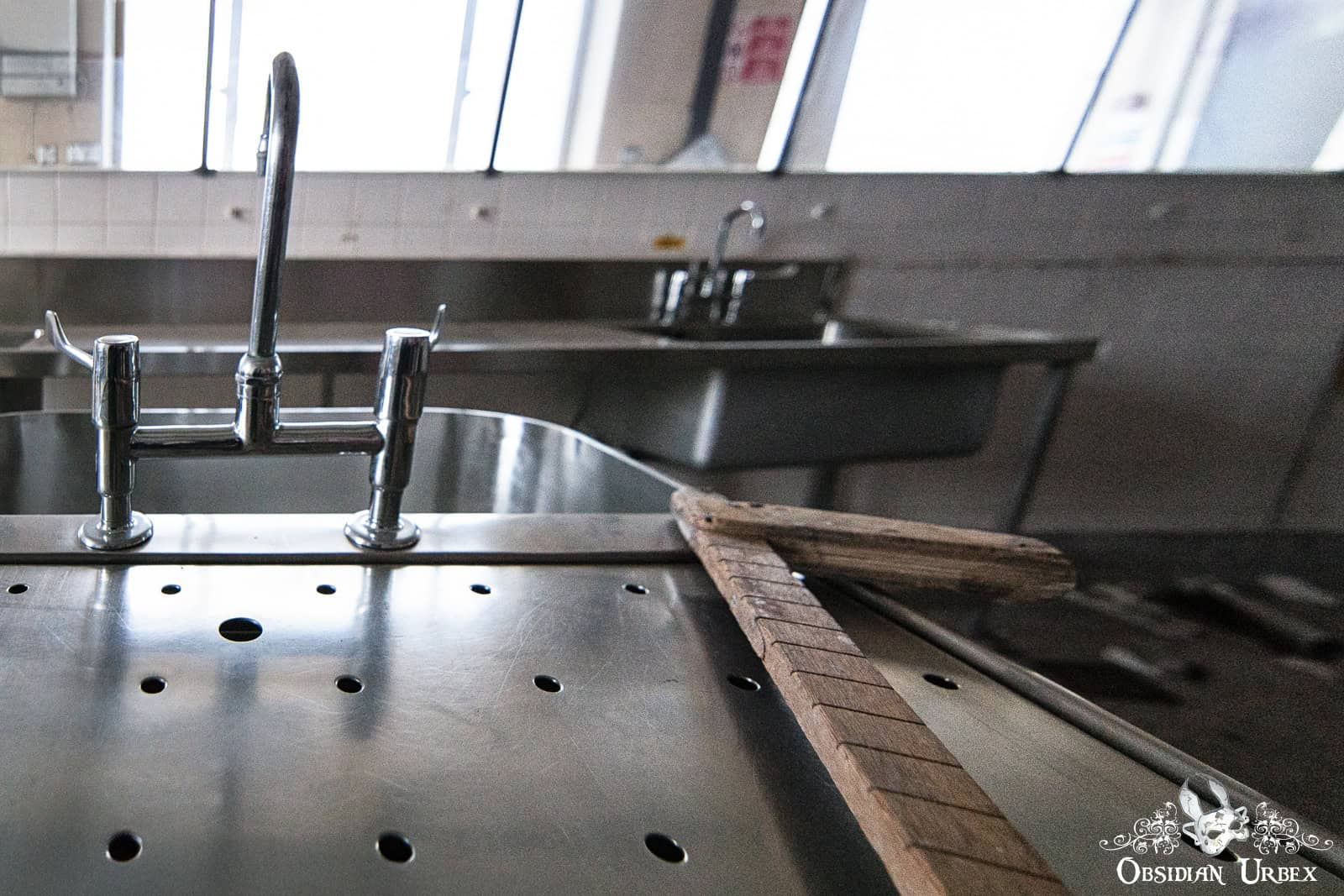
Seen a photo you love? All my images are available as prints, please do Contact Me and let me create your perfect bespoke artwork.
Which photograph caught your eye the most? How did this location make you feel? Do you have a question? Let me know by leaving a comment!



Join My Adventures!
I add new content every week, ranging from exciting new locations to blog articles about my road trips. My beautiful newsletter will bring my photographic adventures direct to your inbox!
Your email address will not be shared, or publically displayed. I will only use your data to send you the newsletter, as outlined in the Privacy Policy. You can unsubscribe at any time, via the opt-out link included in every email.